

As a supplier of flushable nonwoven products, I often receive inquiries about the materials used in their production. Flushable nonwovens are a remarkable innovation that combines convenience and environmental responsibility, allowing for easy disposal through standard plumbing systems without causing blockages. In this blog, I'll delve into the various materials used to make flushable nonwoven and explore their unique properties and benefits.
Natural Fibers
Natural fibers are a popular choice for flushable nonwoven due to their biodegradability and eco - friendliness. One of the most commonly used natural fibers is cellulose. Cellulose is the main component of plant cell walls and can be sourced from a variety of plants such as wood pulp, cotton, and bamboo.
Wood pulp is a versatile and cost - effective source of cellulose. It can be processed into different forms, including fluff pulp and dissolving pulp. Fluff pulp is often used in the production of flushable nonwoven because of its high absorbency and softness. When used in nonwoven production, wood pulp fibers can be bonded together using various techniques to form a strong yet flushable fabric. For example, the fibers can be entangled through hydroentanglement, a process where high - pressure water jets are used to interlock the fibers.
Cotton is another natural fiber that can be used in flushable nonwoven. Cotton fibers are known for their softness, comfort, and high absorbency. They are also hypoallergenic, making them suitable for use in products such as flushable wipes for personal hygiene. However, cotton is relatively more expensive than wood pulp, which may limit its widespread use in large - scale nonwoven production.
Bamboo is a fast - growing and renewable resource that has gained popularity in recent years. Bamboo fibers are naturally antibacterial and have excellent moisture - wicking properties. When used in flushable nonwoven, bamboo fibers can provide a soft and comfortable feel, similar to cotton, while also being more environmentally friendly. Bamboo nonwovens can be used in a variety of applications, including flushable wet wipes and feminine hygiene products.
Synthetic Fibers
In addition to natural fibers, synthetic fibers are also used in the production of flushable nonwoven. One of the most common synthetic fibers used is polyvinyl alcohol (PVA). PVA is a water - soluble polymer that can be spun into fibers. These fibers can be used to create nonwoven fabrics that are strong when dry but dissolve quickly when exposed to water.
PVA fibers are often used in combination with other fibers, such as cellulose, to enhance the strength and flushability of the nonwoven. For example, a nonwoven fabric may be made with a blend of PVA and wood pulp fibers. The PVA fibers provide the initial strength and integrity to the fabric, while the wood pulp fibers contribute to its absorbency and biodegradability. When the nonwoven is flushed down the toilet, the PVA fibers dissolve, allowing the fabric to break apart easily and pass through the plumbing system.
Another synthetic fiber that can be used in flushable nonwoven is polylactic acid (PLA). PLA is a biodegradable polymer derived from renewable resources such as corn starch or sugarcane. PLA fibers have similar properties to traditional polyester fibers but are more environmentally friendly. They can be used to create nonwoven fabrics that are strong, durable, and flushable. PLA - based nonwovens are often used in applications where a higher level of strength is required, such as in industrial wipes or heavy - duty cleaning products.
Binders and Additives
Binders and additives play an important role in the production of flushable nonwoven. Binders are used to hold the fibers together and give the nonwoven fabric its strength and integrity. There are several types of binders that can be used, including natural binders and synthetic binders.
Natural binders, such as starch and gelatin, are often preferred in flushable nonwoven production because they are biodegradable and environmentally friendly. Starch can be derived from sources such as corn, wheat, or potato. It can be used to bond the fibers together through a process called sizing. Gelatin, on the other hand, is a protein - based binder that can provide good adhesion between the fibers.
Synthetic binders, such as acrylic and polyurethane binders, are also commonly used. These binders can provide a high level of strength and durability to the nonwoven fabric. However, they may not be as biodegradable as natural binders. To address this issue, some manufacturers are developing biodegradable synthetic binders that can be used in flushable nonwoven production.
Additives can also be used in flushable nonwoven to enhance its properties. For example, wet - strength agents can be added to improve the strength of the nonwoven when it is wet. This is important because flushable nonwovens need to maintain their integrity during use but break apart easily when flushed. Other additives, such as antibacterial agents and fragrances, can be added to provide additional functionality to the nonwoven products.
Applications of Flushable Nonwoven
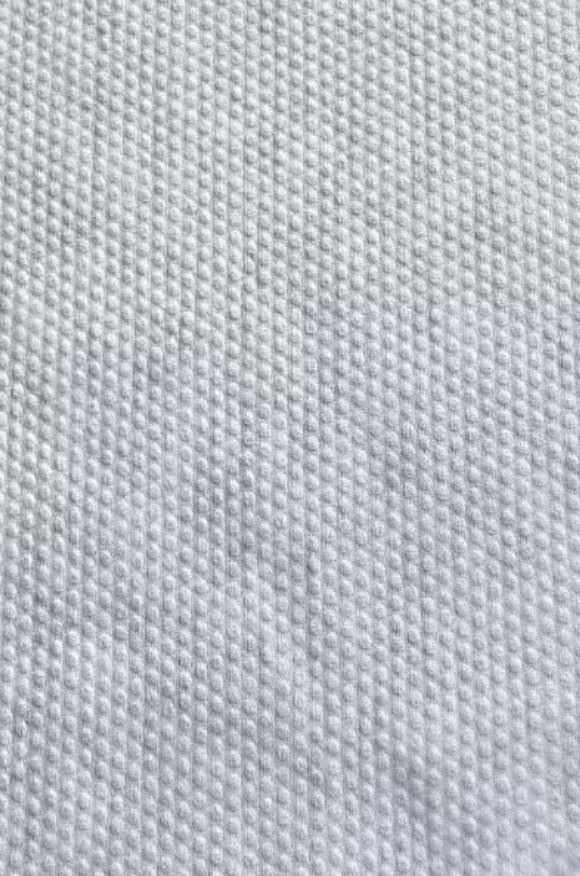
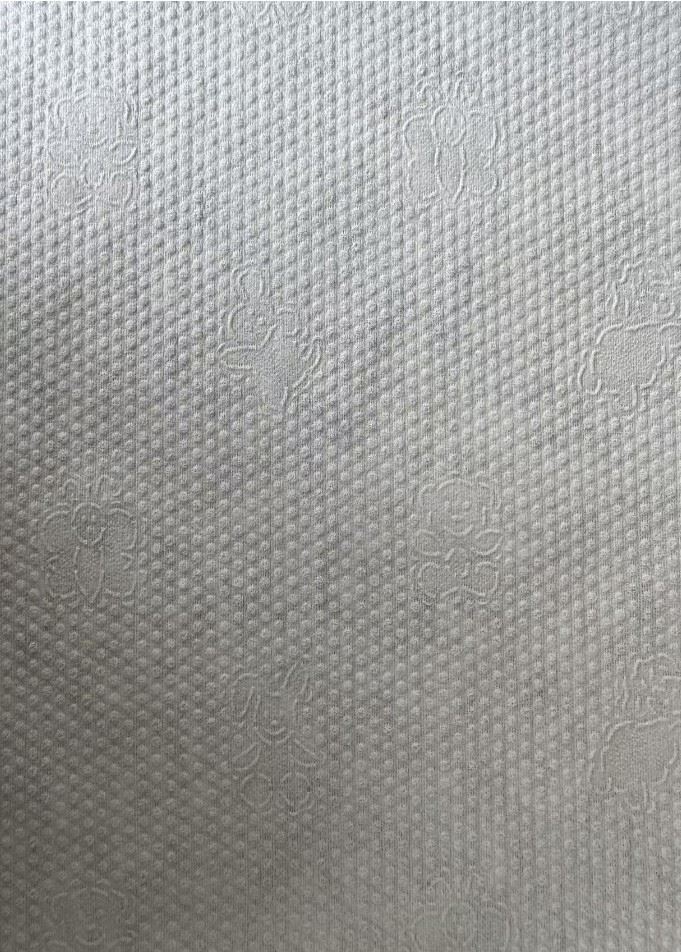
Flushable nonwoven has a wide range of applications in various industries. One of the most common applications is in the personal hygiene industry. Flushable wipes are widely used for baby care, feminine hygiene, and adult incontinence care. These wipes are designed to be soft, gentle on the skin, and easy to dispose of. They are often made with a combination of natural and synthetic fibers, along with binders and additives to ensure their flushability and performance.
In the cleaning industry, flushable nonwoven can be used to make disposable cleaning wipes. These wipes can be used for household cleaning, industrial cleaning, and even medical cleaning. Flushable cleaning wipes offer the convenience of easy disposal, eliminating the need for separate waste management.
The food industry also uses flushable nonwoven in some applications. For example, flushable nonwoven can be used to make food - grade wipes for cleaning food preparation surfaces. These wipes need to be made with materials that are safe for contact with food and can be easily disposed of after use.
Conclusion
Flushable nonwoven is a remarkable product that offers convenience, environmental responsibility, and a wide range of applications. The materials used to make flushable nonwoven, including natural fibers, synthetic fibers, binders, and additives, all play important roles in determining its properties and performance. Whether you are looking for a soft and comfortable flushable wipe for personal hygiene or a strong and durable flushable nonwoven for industrial use, there are materials and production techniques available to meet your needs.
If you are interested in learning more about our flushable nonwoven products or would like to discuss a potential purchase, please feel free to contact us. We are always happy to assist you in finding the right flushable nonwoven solution for your specific requirements.
For more information about our products, you can visit the following links:
Nonwoven Fabric Throwing To Toilet Flushable
Flushable Spunlace Fabric
Flushable Spunlace Nonwoven Fabric
References
- Anandjiwala, R. D., & Blanchard, C. (2008). Cellulose Fibres, Fibre Networks and Composites. Woodhead Publishing.
- Bhat, G. S., & Tavanai, A. (2015). Handbook of Nonwovens. Elsevier.
- Klemm, D., Heublein, B., Fink, H. - P., & Bohn, A. (2005). Cellulose: Fascinating Biopolymer and Sustainable Raw Material. Angewandte Chemie International Edition, 44(22), 3358 - 3393.