


Industrial Cleaning Cloth
Rugao Jinyi Textile Co.,Ltd. is located in the new material industrial park of Baipu Town, Nantong, Jiangsu Province, with a total investment of 500 million yuan, covering an area of 56 mu, a new plant of 45000 square meters, and the introduction of advanced Spunlaced production lines such as Andritz of France and Trutschler of Germany. We specialize in producing White Non Woven Fabric Roll, Non Woven Cloth Material, Non Woven Fabric Roll, Spunlace Nonwoven Fabric, and other Industrial Cleaning Cloth.
Advanced Production Line
We introducing advanced water jet production lines from France's Andritz and Germany's Truzler.
Quality Assurance
We have passed ISO9001 quality management system certification and ISO14001 envrionmental management system certification,and has been awarded Nantong contract abiding and trustworthy enterprise.Its products are sold all over the world.
Patent Technology
The company has been committed to technological research and development, with 15 patented technologies.
Quick Response
Our commitment is to respond to your inquiries within 24 hours, ensuring that you receive the information and support you require in a timely manner.
-
![Industrial Cleaning Towels]() Industrial Cleaning TowelsItem:Industrial Cleaning towels can be dry or wet,it is Strong Oil Removal Heavy Duty Hand Multi function Clean towels, Industrial Machine Cleaning Material:Spunlaced Non-woven Fabric,Size...read more
Industrial Cleaning TowelsItem:Industrial Cleaning towels can be dry or wet,it is Strong Oil Removal Heavy Duty Hand Multi function Clean towels, Industrial Machine Cleaning Material:Spunlaced Non-woven Fabric,Size...read more
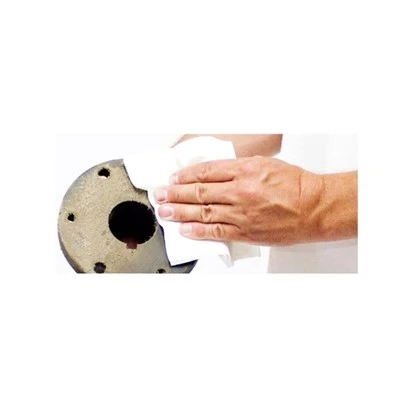
What Is Industrial Cleaning Cloth
Nonwoven polyester fabric can be created from 100% polyester filament or polyester blend. Nonwoven polyester is an excellent choice for a wide range of application needs including industrial filter materials, medical and hygiene products, construction materials, telecom products, agricultural fabric, and more. If you want to know the specifications and prices of Industrial Cleaning Cloth, please contact us!
Advantage of Industrial Cleaning Cloth
Material
Rag suppliers that sell industrial rags in bulk have a wide selection of rags that come in various shapes and materials. Each material has a specific usage, industry, and absorbency level that it is appropriate for. Without a doubt, cotton rag cloth is the most typical type of fabric used to make rags. It is resilient and soft. Since terry cloth is an excellent absorbent substance, it is also highly well-liked.
Save Money
It has been demonstrated that buying industrial shop rags in bulk is more economical than buying in smaller amounts. When purchasing in bulk, the price per unit is more important than the item's overall cost. When buying industrial rags in bulk from a wholesaler rather than a regular shop, you can save money on the cost of each rag. You would indeed have a lot of rags to clean each day if your work entails extensive cleaning every day. Having a stock of clean rags on hand as a backup is crucial.
Environment-Friendly
Buying industrial cotton rags in bulk also helps the environment because it is a responsible action. Because bulk rags require less packaging, there is less carbon pollution and waste thrown into the environment. Additionally, as already said, purchasing industrial rags in bulk minimizes the frequency of store visits. As a result, less gasoline and fewer air pollutants are released.
Always Have Enough Supplies
To ensure that there is an adequate supply and that all your employees have access to the cleaning products like industrial rags, purchasing industrial rags in bulk is standard practice when making purchases for the workplace. When you buy cleaning clothes in bulk, your workers will have more time because they won't need to place as many orders.
Application of Industrial Cleaning Rags

Manufacturing Industry
Consider machines that operate continuously; eventually, there will be a significant spill. You'll need an extremely absorbent rag, just like in the construction sector. You probably don't need costly cloth; a recycled item will do. The white knit, a cut-up t-shirt, is the most widely used rag in this business. Another excellent option is colored sweaters, hospital gowns, and industrial colored cotton rags. You should always have enough recycled rags on hand to clean up spills if you work in a field that frequently deals with oil, lubricants, and grease.
Oil And Gas Industry
With its extensive network of pipes and valves, the oil and gas industry uses hundreds of millions of rags annually to clean hands, lubricants, and leaks.
Construction
Construction activity frequently results in a spill or a mess. Industrial wipers and rags users are a diverse group of workers in this sector. Wiping rags have developed into a necessary tool for the job, used by everyone from painters to tilers to plumbers, electrical specialists, and general contractors.
In conclusion, a mess can accumulate on building sites; hence rags are a standard supply for construction organizations. Since they typically want something cheap, most of them pick recycled goods. In this industry, environmentally friendly industrial wiping rags created from used linen and recycled textiles are very popular. This industry needs a cloth that has terrific absorption quality.
Food Industry
This industry uses a range of cleaning cloths, rags, and microfiber items to do business. In the kitchen or restaurant, these rags are frequently used to mop up spills and stains. Because they absorb so well with just one swift swipe, terry cloth bar towels, both new and recycled, are the most widely used rag. In the culinary business, washing glass and china is done with surgical towels and industrial microfiber clothes.
Mechanical Work
A less common use for cleaning rags is for car and mechanical work in your garage. The rags can be used again and again and can be suitable for when you want to use a bit of elbow grease into tough marks or stains on your car. In addition, you can combine a waxing solution along with the rag to give your car a clean and glossy finish. Similarly, the rag can be incorporated into the interior of the car. Simply giving the dashboard a wipe down can prevent dust from accumulating and further add to the cleanliness of your car.
A final use the rags can have in regards to car work is for the rims. As you travel in your motor vehicle, brake dust can accumulate and is a by-product of the brake pads wearing down over time. This is what gives the inside of your rims a black mark when you go to inspect your vehicle. This is where a simple industrial cleaning rag can be incorporated to wipe away this mess.
Electronics
Laptops, mobile phones and tablets can get pretty dirty with constant use. finger marks, dust and oily smudges can all develop on electronics. This is where cleaning rags can prosper and provide a quick and easy solution to cleaning your household items. The rags are gentle enough for the fragile screens, so you can give them a good wipe down without worrying about causing damage. They are also practical enough to collect and wipe off any dirt that may have accumulated on the devices.
Windows and Window Sills
Rags can also be used to clean windows and window sills. Like with electronics and bathroom mirrors, finger prints, dust and condensation can all accumulate on windows and window sills so a simple wipe down with a cleaning rag can make your home interior look reinvigorated and new.
Ventilation
Cleaning air conditioning and ventilation appliances with rags can do wonders if you want to allow correct airflow to circulate around your house. Simply cleaning any dust that has accumulated in the duct filter can help transport quality, clean air around your home so you can feel cool, warm and healthy. Of course, for more serious AC maintenance, it is advised you contact a professional but for more small tasks, utilising cleaning rags will certainly provide a sufficient enough job to better your air quality.
Type of Industrial Cleaning Rags
Swabs
These are all-purpose cloths made of soft, absorbent material. They are used for wet cleaning and damp dusting of all surfaces above floor level. They can be also used for cleaning sanitary fittings such as bathtubs and wash basins.
Wipes
Wipes include loosely woven or knitted cotton cloths and non-woven cloths. Synthetic sponges may also be grouped under this category. They are available in various sizes and shapes. Sponges are better than cloths for washing walls, woodwork, glass, and upholstery.
Dusters
These are meant for dusting and buffing. Soft, absorbent plain or checked cotton material or yellow flannelette of up to 15 sq. Cm is ideal for dusters. When used for damp dusting, they must be sprayed with a fine mist of water or dusting solution.
Cloth Mittens
These Clothes may be impregnated and coated with a mineral oil. These dusters must be folded several times into a hand-sized pad before use to provide several clean surfaces and avoid spreading dirt again to a clean surface.
Floor Cloths
Floor cloths are bigger, thicker, and made of coarser cotton material than all-purpose swabs. They are used to wipe WC pedestals, clean tile floors, clean marble or granite floors, remove spills from floors, etc.
Scrim
This is a loosely woven linen material resembling a fine sackcloth. Scrim, because of its high absorbency and lint-free nature, is often used instead of chamois leather for cleaning windows and mirrors.
Glass cloths: Glass cloths are made up of linen and two yarns and do not leave behind lint. They can therefore be used for wiping mirrors and drinking glasses. These must not be confused with fabrics made from glass fibres (glass cloth).
Chamois Leather
This is the skin of a chamois goat (antelope) and is used for cleaning windows and mirrors when dry and also for polishing silver and other metals.
Dust Sheets
Dust sheets are made of any thin cotton material, being about the size of a single sheet. Discarded bed sheets or curtains from the linen room are ideal for use as dust sheets. They are used to cover floors, furniture, or other articles during spring cleaning or decorating.
Druggets
These are made of coarse, fine canvas or clear plastic and they may be of the size of carpet square and are placed on the floor in the doorway to prevent excessive dirt from being brought in or out during bad weather or redecorating projects. They are sometimes placed in the passage between the kitchen and dining area to catch spills and debris.
Hearth and Bucket Cloths
These are made up of thick fabrics and are used to protect the carpet and flooring when a fireplace is being cleaned or placed under buckets to prevent marks on the surface they are kept on. They also catch splashes of water.
Choosing the Right Kind of Rag
There are various kinds of rags available in the market. The kind of rags to be purchased depends on the business requirements. For instance, there are absorbent shop towels for heavy-duty applications and wipe rags, terry cloth towels, recycled materials, and cotton T-shirt knit rags for other applications. It is essential to match the kind of rag to the needs of the business.
Every rag has a different job for which it is best suited. For instance, when used with specific chemicals, some coloured rags release their pigments because they are really dyed white clothes. These rugs will stain or dull down a clean surface as other coloured clothes will. Lint-free or low-lint materials are sometimes used for pre-cleaning before painting or cleaning manufacturing equipment.
Due to the pure nature of the healthcare business, new mill ends must be used for medical cleaning duties rather than recycled fabric.
High-quality terry cloth rags are required to remove grease, lubricants, and grime when you have messy assignments. So your business must buy bulk rags depending on what is required because every business demands different types of rags.
Choosing the Right Supplier
The importance of selecting the right cleaning supplies provider cannot be overstated! Whether you're launching a new business, expanding it, or ensuring a steady supply of top-notch rags. However, the process of finding the ideal provider for your company's needs can be time-consuming and also challenging.
Look for the pricing as well as customer reviews of the supplier before choosing them. You can consider customer evaluations, use cases, and business reviews posted on potential suppliers' websites to get a good idea of their reputation. You can also always request the supplier to post reviews and testimonials if you don't see any online.
Furthermore, look for companies with dedicated support teams. Regular communication with the supplier every two weeks is ideal as it allows them to anticipate your requirements and fulfill your orders accordingly. Ensure their credibility by checking their credentials, so you can trust them to carry out orders promptly.
Product Quality and Pricing
Without a doubt, the supplier's price can be one of the most influential factors in your decision. Lower pricing can be an advantage of choosing bulk rags, and comparing the prices of similar products and different suppliers is always beneficial.
While buying rags at lower prices may seem economical, it's important to note that lower prices can often, also indicate lower quality rags and inadequate service from the supplier. Thus, selecting the appropriate supplier involves more than just comparing prices.
Take all product-related hidden costs, productivity, and performance difficulties into account and to avoid wearing out your staff, ensure cleaning rags are of good quality and do the job they are meant to be used for.
Convenient Shipping
To put it mildly, the current state of global shipping is problematic. Delivery delays are being experienced by several carriers, which is never a good thing. Planning your shipping requirements before you make a purchase is always a good idea.
Being able to choose a nearby location to avoid customs delays, paying inexpensive shipping costs within your own country, and receiving items more quickly, must be on the list of your advantages of choosing bulk rags shopping. Choose a supplier who can provide within the specified deadlines to ensure the resources arrive when you need them. When the success of your business depends on a firm, you want to be sure that you can count on them to deliver the proper goods on time.
Another suggestion is to see if you can open business accounts with your rag suppliers. Having business accounts can allow your supplier to stock up on inventory for you so you can place orders whenever you need them and predict your future needs based on the information you supply. Additionally, having a business account can sometimes result in free delivery or shipping at preferential rates.
Environment-Friendly Products
Think about the impact your daily actions have on the environment. The amount of energy and water utilized is greatly influenced by the extraction, manufacturing, and disposal of rags, and it can alarmingly harm the environment!
Picking rags that are non-toxic, environmentally sustainable, and recyclable is beneficial to the environment, and many suppliers are also coming up with innovative options for recycling bulk rags.
For instance, customers in the hospitality industry can enter a textiles buy-back program with their suppliers to help them offset some of the costs of tablecloths, linens, towels, and napkins that no longer meet quality standards. This helps businesses to save costs, all while being an environmentally friendly option.
Certificate


Our Factory


Frequently Asked Questions
Q: What are industrial rags used for?
Q: How to select industrial rags?
Quality is truly the backbone of effective industrial cleaning wipes. Many factors combine to determine the efficacy of these essential tools, each contributing a unique aspect to the overall performance of the wipe. The material of the wipe is a fundamental factor. Different materials offer varying levels of durability, absorbency, and chemical resistance. For instance, cellulose is known for its toughness and longevity, making it an excellent choice for heavy-duty cleaning tasks. Alternatively, microfiber boasts superior absorbency and is gentle on delicate surfaces, making it ideal for use in labs or electronics manufacturing.
Absorbency is another crucial characteristic of industrial cleaning wipes. A highly absorbent wipe will quickly take up spills, preventing them from spreading and causing further damage. This feature is particularly important in industries that deal with liquid substances, such as oil in automotive workshops or chemicals in labs. The ability of a wipe to absorb and retain liquid efficiently can significantly improve cleanliness and safety in these environments. Chemical resistance is equally important, especially for tasks involving harsh solvents or corrosive substances. Wipes that disintegrate or leave residues when exposed to certain chemicals lead to contamination and pose safety risks. Therefore, an ideal industrial cleaning wipe must resist a wide range of chemicals to ensure it remains intact and functional, regardless of the cleaning task.
Lastly, linting is a critical aspect to consider. A low-lint wipe is essential in environments where cleanliness is paramount, such as automotive and aerospace manufacturing, food processing, and more. Any lint left behind can contaminate surfaces and, in some cases, interfere with the operation of machinery or equipment. A quality industrial cleaning wipe should generate minimal lint to maintain the integrity of the workspace. By understanding these characteristics, you can make informed decisions and choose the right wipes for your needs.
Q: What are microfiber rags used for?
Q: What is the function of rags?
Q: What are cleaning cloths called?
Q: What is the meaning of cleansing cloth?
Q: What is the best type of cloth for cleaning?
Q: How do you wash cleansing cloths?
Q: Are cleaning cloths reusable?
Q: What is a microfiber cleaning cloth?
Q: What are yellow cleaning cloths used for?
Q: What are cleaning cloths made of?
Q: Do microfiber cleaning cloths really work?
As one of the most professional industrial cleaning cloth manufacturers and suppliers in China, we're featured by quality products and good service. Please rest assured to wholesale cheap industrial cleaning cloth from our factory.
industrial chemical resistant cleaning cloth, factory cleaning cloth, industrial railway cleaning cloth