

As a supplier of wet wipes raw materials, I often encounter various inquiries from clients about the potential uses of our products. One question that has come up frequently lately is whether our wet wipes raw materials can be used for anti - fungal wet wipes. In this blog post, I'll delve into this topic, exploring the science behind it and the viability of using our raw materials for this specific application.
Understanding Anti - fungal Wet Wipes
Anti - fungal wet wipes are designed to combat fungal infections. Fungi can cause a variety of skin problems, such as athlete's foot, ringworm, and yeast infections. These wipes are formulated with anti - fungal agents that can kill or inhibit the growth of fungi on the skin. They are convenient for personal hygiene, especially in areas where water and soap are not readily available.

Components of Anti - fungal Wet Wipes
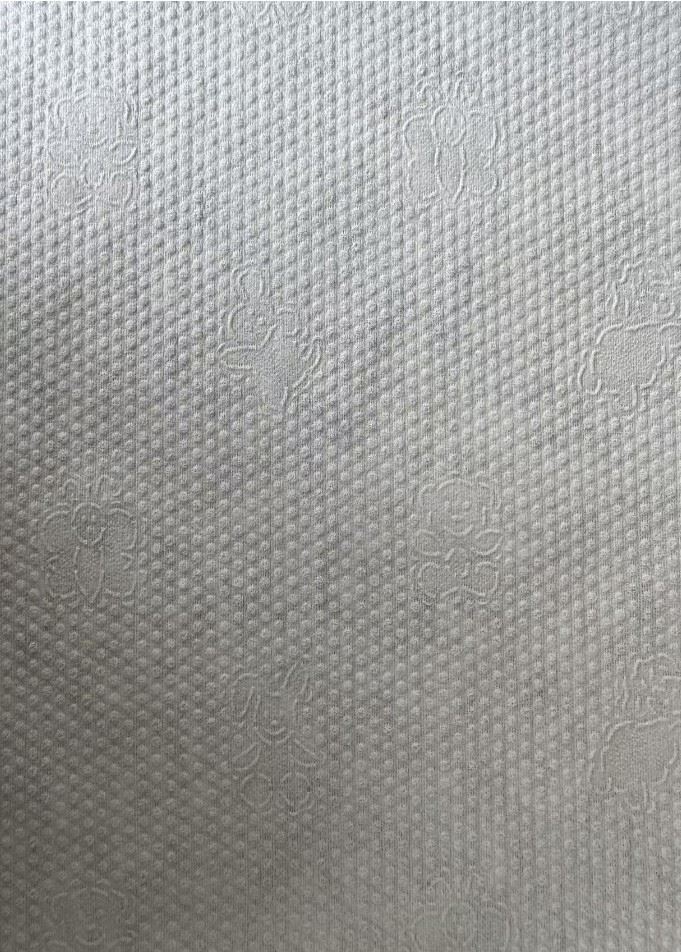
The key components of anti - fungal wet wipes include a substrate (the wipe material itself) and an anti - fungal solution. The substrate should be soft, absorbent, and strong enough to hold the solution without tearing easily. Commonly used substrates for wet wipes are nonwoven fabrics. Our company offers a range of nonwoven fabrics that could potentially be used for anti - fungal wet wipes, such as the Flushable Spunlace Nonwoven Fabric and Flushable Spunlace Fabric. These fabrics are known for their good absorbency and softness, which are important qualities for a wipe that will come into contact with the skin.
The anti - fungal solution typically contains one or more anti - fungal agents. Common anti - fungal agents include clotrimazole, miconazole, and terbinafine. These agents work by disrupting the cell membranes of fungi, preventing them from growing and reproducing. In addition to the anti - fungal agent, the solution may also contain other ingredients such as moisturizers to prevent the skin from drying out, and preservatives to extend the shelf life of the wipes.
Suitability of Our Raw Materials
Nonwoven Fabrics
Our nonwoven fabrics have several properties that make them suitable for anti - fungal wet wipes. First, their high absorbency allows them to hold a sufficient amount of the anti - fungal solution. This ensures that when the wipe is used, enough of the anti - fungal agent is delivered to the affected area. Second, the softness of the fabrics minimizes irritation to the skin, which is crucial when dealing with fungal infections that may already have made the skin sensitive.
Moreover, our Nonwoven Fabric Throwing To Toilet Flushable offers an added advantage. It is designed to break down easily when flushed, which is a convenient feature for users. This type of fabric can be used to make anti - fungal wet wipes that are not only effective but also environmentally friendly and easy to dispose of.
Compatibility with Anti - fungal Solutions
Another important aspect is the compatibility of our raw materials with anti - fungal solutions. Our nonwoven fabrics are chemically stable and do not react with most common anti - fungal agents. This means that the anti - fungal solution can be safely absorbed and retained by the fabric without losing its effectiveness. However, it is always recommended to conduct compatibility tests before large - scale production to ensure that there are no unexpected chemical reactions that could affect the performance of the wipes.
Regulatory Considerations
When using our raw materials to make anti - fungal wet wipes, it is essential to comply with relevant regulations. Anti - fungal products are often considered medical devices or over - the - counter drugs in many countries. This means that they need to meet strict quality and safety standards. For example, the anti - fungal agents used must be approved for use on the skin, and the wipes must be manufactured in a clean and controlled environment to prevent contamination.
As a raw material supplier, we can provide documentation and support to help our clients meet these regulatory requirements. We ensure that our raw materials are produced in accordance with good manufacturing practices and can provide certificates of analysis to prove their quality and safety.
Manufacturing Process
The manufacturing process of anti - fungal wet wipes involves several steps. First, the nonwoven fabric is cut into the appropriate size and shape. Then, it is saturated with the anti - fungal solution. This can be done through a dipping or spraying process. After saturation, the wipes are folded and packaged in a sealed container to prevent evaporation of the solution and contamination.
Our company can work closely with our clients to optimize the manufacturing process. We can provide technical advice on the best way to saturate the fabric with the solution to ensure uniform distribution and maximum effectiveness.
Market Potential
The market for anti - fungal wet wipes is growing. With an increasing awareness of personal hygiene and the prevalence of fungal infections, there is a high demand for convenient and effective anti - fungal products. By using our high - quality raw materials, our clients can produce anti - fungal wet wipes that are competitive in the market.
The softness and flushability of our nonwoven fabrics can be unique selling points for the final product. Consumers are often looking for products that are gentle on the skin and easy to dispose of. Our raw materials can help our clients meet these consumer demands and gain a competitive edge in the market.
Conclusion
In conclusion, our wet wipes raw materials, especially our nonwoven fabrics, have great potential for use in anti - fungal wet wipes. Their absorbency, softness, and compatibility with anti - fungal solutions make them suitable for this application. However, it is important to consider regulatory requirements and conduct proper compatibility tests.
If you are interested in using our raw materials to produce anti - fungal wet wipes, we would be more than happy to discuss your specific needs. Our team of experts can provide you with detailed information, samples, and technical support. We look forward to working with you to develop high - quality anti - fungal wet wipes that meet the market demand.
If you have any questions or would like to start a procurement discussion, please feel free to reach out to us. We are eager to assist you in bringing your anti - fungal wet wipe product to the market.
References
- "Textile Science and Technology: Nonwovens", by W. Albrecht, H. Fuchs, and W. Kittelmann.
- "Fungal Infections: Diagnosis and Treatment", by D. W. Denning and M. C. Odds.
- Regulatory guidelines from relevant health authorities regarding the production of anti - fungal products.