

What is the tear resistance of flushable nonwoven?
Hey there! As a supplier of flushable nonwoven, I often get asked about the tear resistance of these products. It's a crucial factor, especially when you consider the various uses of flushable nonwoven.
First things first, let's understand what flushable nonwoven is. It's a type of nonwoven fabric that's designed to break down when flushed down the toilet. This makes it a popular choice for products like wet wipes, as it offers convenience and environmental - friendliness. You can find more about our Wood Pulp Spunlace Non Woven Fabric, which is one of the common types of flushable nonwoven we offer.
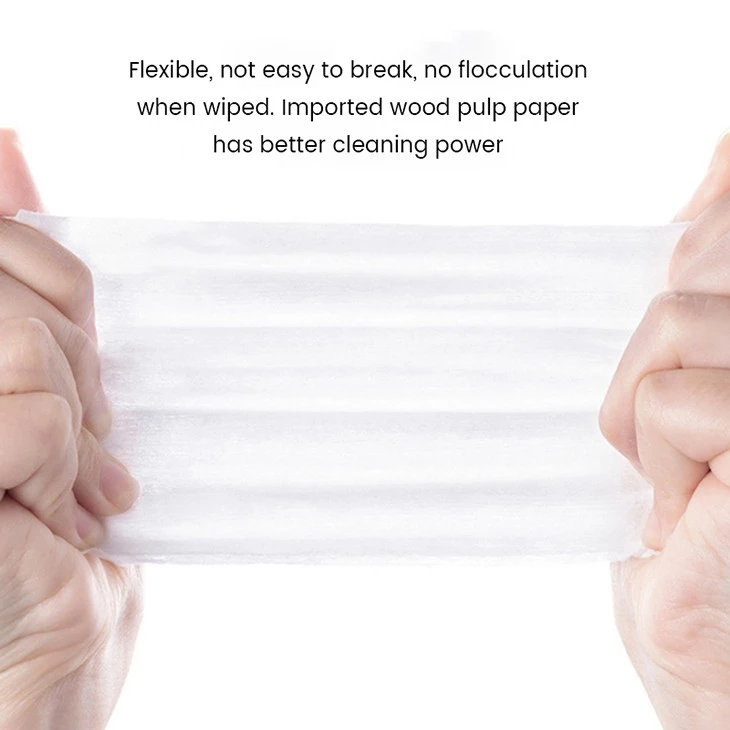
Now, tear resistance. Simply put, it refers to how well the nonwoven can resist tearing under stress. In the case of flushable nonwoven, this is super important. For example, in wet wipes, you want the wipe to be strong enough to hold up during use. You don't want it to tear apart when you're wiping your hands or face. At the same time, it has to be able to break down easily when it enters the sewage system. That's kind of a tricky balance to achieve!
The tear resistance of flushable nonwoven is influenced by several factors. One of the main ones is the raw materials. We use high - quality Wet Wipes Raw Material to ensure our products have the right balance of strength and flushability. Different fibers used in the nonwoven have different properties. For instance, wood pulp fibers can provide good absorbency and a certain level of strength. But the way these fibers are bonded together also matters a great deal.
The bonding process plays a huge role in determining tear resistance. We use advanced spunlace technology to create our Flushable Spunlace Nonwoven Fabric. Spunlace involves using high - pressure water jets to entangle the fibers. This creates a strong and stable structure, which enhances the tear resistance. However, the density and the pattern of the entanglement can be adjusted to meet different requirements. If you need a nonwoven with higher tear resistance for more demanding applications, we can tweak the process to achieve that.
Another factor is the thickness of the nonwoven. Generally, a thicker nonwoven will have better tear resistance. But we have to be careful not to make it too thick, as that can affect its flushability. We've spent a lot of time researching and experimenting to find the optimal thickness for our flushable nonwoven products.
When testing the tear resistance of our nonwoven, we use industry - standard methods. These tests involve subjecting the nonwoven to a specific amount of force until it tears. We measure the force required to start and propagate the tear. This data helps us ensure that our products meet the quality standards and customer expectations.
In real - world applications, the tear resistance of our flushable nonwoven has proven to be very reliable. Our wet wipes, for example, are strong enough to handle regular use, whether it's for personal hygiene, cleaning surfaces, or wiping up spills. Customers have given us great feedback on how well the wipes hold up. And when it comes to flushing, they break down quickly and don't cause any blockages in the plumbing.
If you're in the market for flushable nonwoven products, you need to pay attention to the tear resistance. It can make a big difference in the performance of your end - product. Whether you're a manufacturer of wet wipes, feminine hygiene products, or other flushable items, the right tear resistance is essential.
We're always looking to improve our products and meet the changing needs of our customers. That's why we invest a lot in research and development. We're constantly exploring new raw materials and manufacturing techniques to enhance the tear resistance while maintaining the flushability of our nonwoven.

If you're interested in learning more about our flushable nonwoven products or want to discuss your specific requirements, don't hesitate to reach out. We're happy to have in - depth discussions about tear resistance, flushability, and how our products can fit into your business. Let's start a conversation and see how we can work together to make your products even better!
References
- Industry reports on nonwoven materials and their properties
- Research papers on spunlace technology for nonwoven production
- Internal testing data and quality control records from our manufacturing facilities