

Hey there! As a supplier of wet wipes raw materials, I often get asked about the origin of these materials. It's a super interesting topic, and I'm excited to share all the details with you.
Let's start with the basics. The main components of wet wipes typically include nonwoven fabric and the liquid solution. Each of these has its own unique origin story.
Nonwoven Fabric: The Backbone of Wet Wipes
Nonwoven fabric is the most visible part of a wet wipe. It's what gives the wipe its structure and absorbency. There are several types of nonwoven fabrics used in wet wipes, and their origins can be traced back to different manufacturing processes and raw materials.
Natural Fibers
Some nonwoven fabrics are made from natural fibers like cotton and bamboo. Cotton has been a popular choice for a long time because it's soft, absorbent, and hypoallergenic. It comes from the cotton plant, which is grown in many parts of the world, including the United States, India, and China. The cotton fibers are harvested, cleaned, and then processed into nonwoven fabric through various methods such as carding, needle punching, or spunlacing.
Bamboo is another natural fiber that's gaining popularity in the wet wipes industry. Bamboo plants grow quickly and require less water and pesticides compared to cotton. The fibers are extracted from the bamboo plant and then made into nonwoven fabric. Bamboo nonwoven fabric is known for its antibacterial properties and its ability to biodegrade, making it an eco - friendly option.
Synthetic Fibers
Synthetic fibers like polyester and polypropylene are also commonly used in nonwoven fabrics for wet wipes. These fibers are made from petrochemicals, which are derived from crude oil. The petrochemicals are processed to create polymers, which are then spun into fibers. Synthetic fibers offer several advantages, such as high strength, durability, and resistance to moisture. They can be engineered to have specific properties, making them suitable for different types of wet wipes, from baby wipes to industrial cleaning wipes.
One type of nonwoven fabric that's worth mentioning is the Flushable Nonwoven. This fabric is designed to break down when flushed down the toilet, which is great for convenience. It's usually made from a combination of natural and synthetic fibers, engineered to meet the requirements of being flushable. Similarly, the Nonwoven Fabric Throwing To Toilet Flushable and Flushable Spunlace Fabric are also specialized nonwoven fabrics with unique properties for flushability.
The Liquid Solution: What Makes Wet Wipes Wet
The liquid solution in wet wipes is just as important as the nonwoven fabric. It contains various ingredients that serve different purposes, such as cleaning, moisturizing, and disinfecting.
Water
Water is the primary component of the liquid solution. It's used as a solvent to dissolve other ingredients and to provide the wetness that makes the wipes effective for cleaning. The water used in wet wipes should be purified to remove impurities and contaminants. This is usually done through processes like reverse osmosis or distillation.
Cleaning Agents
Cleaning agents are added to the liquid solution to help remove dirt, grease, and bacteria from surfaces. Common cleaning agents include surfactants, which reduce the surface tension of water and allow it to spread more easily. There are different types of surfactants, such as anionic, cationic, non - ionic, and amphoteric surfactants. Each type has its own properties and is used depending on the specific requirements of the wet wipe.
Moisturizers
Moisturizers are added to prevent the skin from drying out when using wet wipes. Ingredients like glycerin, aloe vera, and lanolin are commonly used as moisturizers. Glycerin is a natural humectant that helps the skin retain moisture. Aloe vera has soothing and moisturizing properties, while lanolin is a waxy substance derived from sheep's wool that forms a protective barrier on the skin.
Disinfectants
For wet wipes that are designed for disinfection, disinfectants are added to the liquid solution. Common disinfectants include alcohol, hydrogen peroxide, and quaternary ammonium compounds. Alcohol is a fast - acting disinfectant that can kill many types of bacteria and viruses. Hydrogen peroxide is also effective against a wide range of microorganisms and is often used in combination with other ingredients.
The Manufacturing Process
Once the nonwoven fabric and the liquid solution are ready, they are combined to make wet wipes. The nonwoven fabric is usually cut into the appropriate size and then saturated with the liquid solution. This can be done through a process called impregnation, where the fabric is passed through a bath of the liquid solution or sprayed with it.
After the fabric is saturated, the wet wipes are folded and packaged. The packaging is designed to keep the wipes moist and prevent them from drying out. It also provides information about the product, such as its ingredients, usage instructions, and expiration date.
Quality Control
As a wet wipes raw material supplier, quality control is of utmost importance. We have strict quality control measures in place to ensure that our raw materials meet the highest standards. For the nonwoven fabric, we test for properties such as strength, absorbency, and softness. We also check for any impurities or defects in the fabric.
For the liquid solution, we analyze the chemical composition to make sure that the ingredients are present in the correct proportions and that they are of high quality. We test for factors like pH, viscosity, and stability to ensure that the solution will perform as expected.
Why Choose Our Wet Wipes Raw Materials?
When it comes to sourcing wet wipes raw materials, you want a supplier that you can trust. We have years of experience in the industry and a team of experts who are dedicated to providing the best products. Our raw materials are sourced from reliable suppliers and are manufactured using state - of - the - art technology.

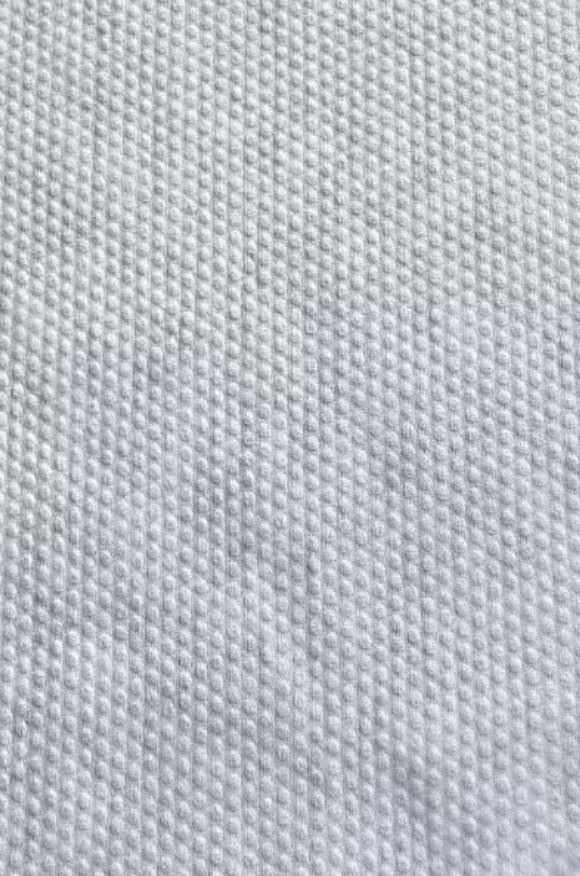
We offer a wide range of raw materials to meet the diverse needs of our customers. Whether you're looking for natural or synthetic nonwoven fabrics, or liquid solutions with specific properties, we've got you covered. And because we're a direct supplier, we can offer competitive prices without compromising on quality.
If you're in the market for wet wipes raw materials, I encourage you to reach out to us. We'd love to have a chat with you about your specific requirements and see how we can help you create high - quality wet wipes. Whether you're a small - scale manufacturer or a large corporation, we're here to support you every step of the way.
References
- "Nonwoven Fabrics: Principles, Production, Properties, Applications, and Modeling" by Sabu Thomas, Laly A. Pothan, and Sabu Jacob
- "Handbook of Nonwovens" edited by Rajiv K. Sinha
- "Disinfection, Sterilization, and Preservation" by Seymour S. Block