

As a supplier of Flushable Nonwoven, I've witnessed firsthand the growing demand for products that offer both convenience and environmental responsibility. Flushable nonwovens are increasingly popular in various applications, from wet wipes to feminine hygiene products. However, understanding what factors affect the flushability of nonwoven is crucial for both manufacturers and consumers. In this blog post, I'll delve into the key elements that influence the flushability of nonwoven materials.
Fiber Composition
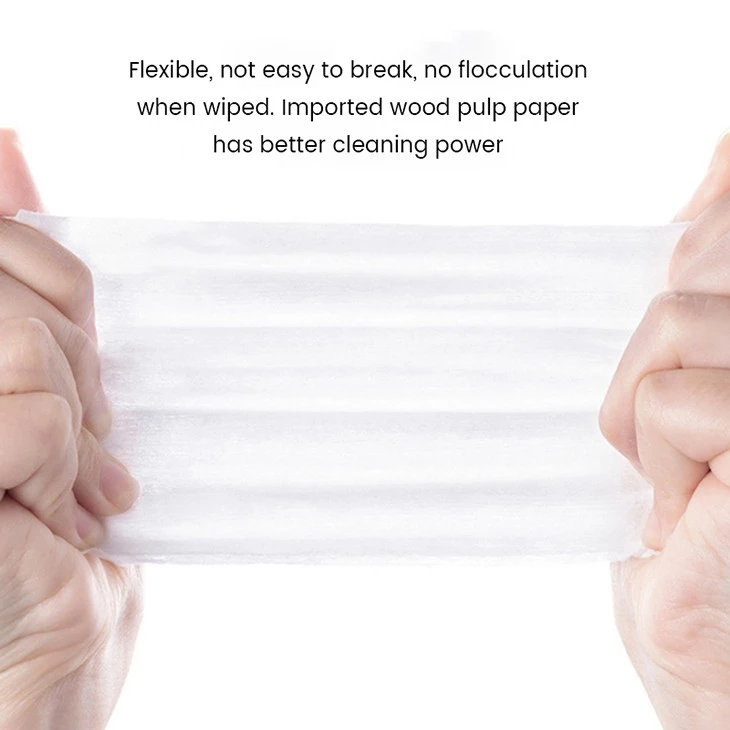
The type of fibers used in nonwoven production plays a significant role in determining its flushability. Natural fibers such as Wood Pulp Spunlace Non Woven Fabric are often preferred due to their biodegradability and ability to break down easily in water. Wood pulp fibers, for example, are derived from renewable resources and can disintegrate quickly when exposed to the water flow in a sewer system.
On the other hand, synthetic fibers like polyester or polypropylene are more durable and resistant to degradation. While they can provide strength and stability to the nonwoven material, they may not be as flushable as natural fibers. In some cases, a blend of natural and synthetic fibers is used to balance the strength and flushability of the nonwoven. For instance, a small percentage of synthetic fibers can be added to wood pulp fibers to enhance the tear resistance of wet wipes while still maintaining a reasonable level of flushability.

Bonding Method
The way the fibers are bonded together in a nonwoven also affects its flushability. There are several bonding methods available, including thermal bonding, chemical bonding, and mechanical bonding.
Thermal bonding involves heating the fibers to a certain temperature to melt and fuse them together. This method can create a strong and durable nonwoven, but it may also make the material less likely to break apart in water. Chemical bonding uses adhesives or resins to hold the fibers together. While chemical bonding can provide good strength, the presence of chemicals may slow down the biodegradation process and affect the flushability.
Mechanical bonding, such as needle punching or hydroentanglement, is often preferred for flushable nonwovens. Needle punching involves passing barbed needles through the fiber web to entangle the fibers, while hydroentanglement uses high - pressure water jets to interlock the fibers. These methods create a more open and porous structure, allowing water to penetrate the nonwoven easily and facilitating its disintegration. Flushable Spunlace Fabric, which is produced using hydroentanglement, is a popular choice for flushable applications due to its good flushability and softness.
Basis Weight
The basis weight of a nonwoven, which is the weight per unit area (usually measured in grams per square meter, gsm), is another important factor. A higher basis weight generally means a thicker and more substantial nonwoven. While a higher basis weight can provide better strength and durability, it may also make the nonwoven more difficult to flush.
For flushable nonwovens, a lower basis weight is often preferred. A lighter nonwoven is more likely to break apart quickly in water and pass through the sewer pipes without causing blockages. However, the basis weight needs to be balanced with the required strength for the intended application. For example, wet wipes need to be strong enough to withstand the wiping process but still be flushable. A typical basis weight for flushable wet wipes may range from 30 - 60 gsm.
Additives and Finishes
Additives and finishes are sometimes used in nonwoven production to enhance certain properties. For example, antibacterial agents may be added to wet wipes to provide germ - killing capabilities, and softeners may be used to improve the feel of the material.
However, these additives and finishes can have an impact on the flushability of the nonwoven. Some chemicals may form a coating on the fibers, making it more difficult for water to penetrate and break down the nonwoven. Additionally, certain additives may be non - biodegradable, which can pose environmental problems in the sewer system.
When using additives and finishes in flushable nonwovens, it's important to choose those that are water - soluble and biodegradable. This ensures that the nonwoven can still meet the flushability requirements while providing the desired additional properties.
Testing and Certification
To ensure the flushability of nonwoven products, proper testing and certification are essential. There are several standards and test methods available, such as the INDA/EDANA flushability guidelines. These tests simulate the conditions in a sewer system and evaluate the ability of the nonwoven to break down and pass through pipes.
Products that meet the flushability standards can be labeled as "flushable." This not only provides assurance to consumers but also helps manufacturers comply with regulations. As a supplier of Wet Wipes Raw Material, I ensure that all our products undergo rigorous testing to meet the industry's flushability standards.
Environmental Conditions
The environmental conditions in which the nonwoven is used and disposed of can also affect its flushability. For example, the temperature and pH of the water can influence the rate of biodegradation. Warmer water generally speeds up the decomposition process, while extreme pH levels may have a negative impact on the breakdown of the nonwoven.
The flow rate and turbulence in the sewer system also play a role. A higher flow rate and more turbulent water can help to break apart the nonwoven more effectively. In areas with slow - moving or stagnant sewer systems, nonwovens may be more likely to cause blockages, even if they are technically flushable.
Conclusion
In conclusion, the flushability of nonwoven is influenced by a variety of factors, including fiber composition, bonding method, basis weight, additives and finishes, testing and certification, and environmental conditions. As a supplier of flushable nonwovens, I understand the importance of balancing these factors to produce high - quality products that are both strong and flushable.
If you're in the market for flushable nonwoven materials for your products, whether it's wet wipes, feminine hygiene products, or other applications, I encourage you to contact me for more information. We can discuss your specific requirements and find the best solution for your business. By choosing the right flushable nonwoven, you can offer your customers a convenient and environmentally friendly product while also ensuring compliance with regulations.
References
- INDA/EDANA Flushability Guidelines.
- Textile Research Journal, various issues related to nonwoven materials and their properties.
- Journal of Environmental Science and Technology, articles on biodegradation of nonwoven materials in sewer systems.