

As a supplier of Wet Wipes Raw Material, I've been deeply involved in the industry for years. One question that frequently comes up is: What are the standards for the whiteness of wet wipes raw materials? In this blog, I'll delve into this topic, exploring the factors that influence whiteness standards and why they matter in the wet wipes production process.
Understanding the Importance of Whiteness in Wet Wipes Raw Materials
Whiteness is a crucial characteristic of wet wipes raw materials. It is often the first thing consumers notice when they pick up a pack of wet wipes. A high - quality, white appearance gives the impression of cleanliness, purity, and hygiene. This visual appeal can significantly influence a consumer's purchasing decision.
Moreover, in the context of wet wipes, whiteness can also be an indicator of the raw material's quality. Raw materials with consistent and appropriate whiteness are more likely to produce wet wipes that meet the expected standards of performance and safety. For example, in the production of baby wipes, where hygiene is of utmost importance, a high - level of whiteness can signal to parents that the wipes are clean and suitable for their baby's sensitive skin.
Factors Affecting the Whiteness of Wet Wipes Raw Materials
Raw Material Source
The source of the raw materials plays a vital role in determining their whiteness. For instance, if the non - woven fabric used in wet wipes is made from natural fibers such as cotton, the initial whiteness can vary depending on the quality of the cotton. High - grade cotton generally has a more uniform and brighter white color compared to lower - grade cotton.
On the other hand, synthetic fibers like polyester can be engineered to have a consistent whiteness. However, the manufacturing process of synthetic fibers can also introduce impurities that may affect the final whiteness. Therefore, choosing a reliable and high - quality raw material source is essential for achieving the desired whiteness in wet wipes.
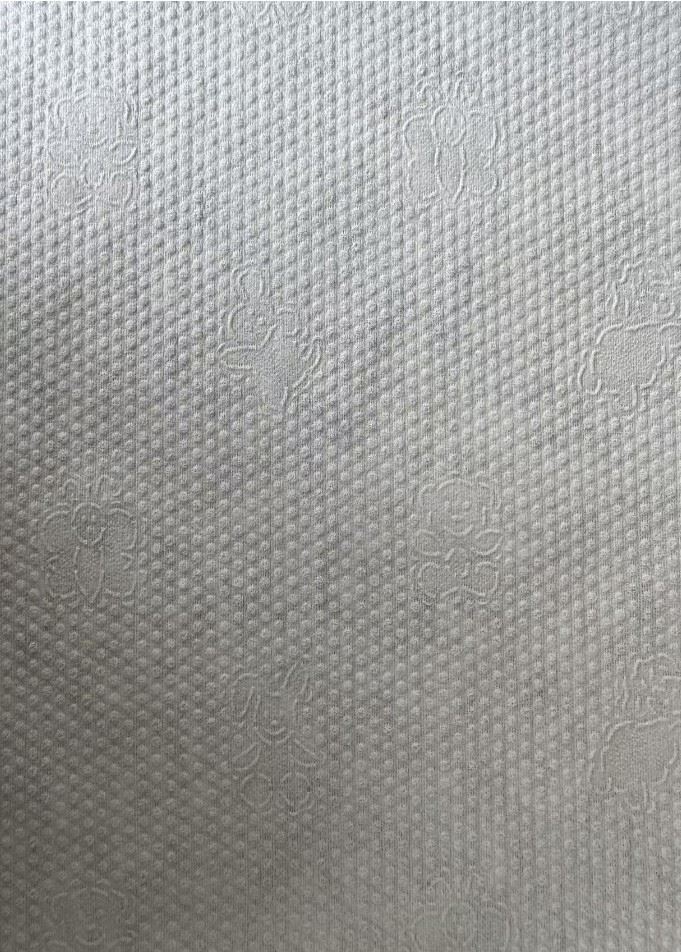

Manufacturing Process
The manufacturing process of wet wipes raw materials can have a significant impact on whiteness. During the production of non - woven fabrics, processes such as bleaching are commonly used to enhance whiteness. However, improper bleaching techniques can lead to uneven whiteness or even damage the fibers, resulting in a lower - quality product.
For example, over - bleaching can weaken the fibers, making the wet wipes more prone to tearing. Additionally, the use of low - quality bleaching agents can leave behind residues that may be harmful to the skin. Therefore, it is crucial to use appropriate bleaching methods and high - quality agents to ensure both the whiteness and safety of the raw materials.
Additives and Chemicals
The additives and chemicals used in the production of wet wipes can also affect whiteness. For instance, some wet wipes may contain preservatives, fragrances, or moisturizers. These additives can react with the raw materials over time, potentially causing discoloration.
To prevent this, it is important to carefully select additives that are compatible with the raw materials and do not have a negative impact on whiteness. Manufacturers should also conduct thorough testing to ensure that the additives do not cause any long - term changes in the color of the wet wipes.
Industry Standards for Whiteness
In the wet wipes industry, there are several standards and guidelines regarding the whiteness of raw materials. These standards are established to ensure the quality and consistency of wet wipes products.
One commonly used standard is the ISO (International Organization for Standardization) whiteness scale. This scale provides a numerical value to measure the whiteness of a material. The higher the value on the ISO whiteness scale, the whiter the material.
For wet wipes raw materials, a typical acceptable range of ISO whiteness may vary depending on the type of wet wipes. For example, baby wipes usually require a higher level of whiteness, often in the range of 80 - 90 ISO units. Adult wipes, on the other hand, may have a slightly lower acceptable range, around 70 - 80 ISO units.
In addition to the ISO scale, some regions or countries may have their own specific whiteness standards. For example, the European Union has regulations regarding the whiteness and safety of wet wipes raw materials to protect consumers' health.
Measuring Whiteness
To ensure that wet wipes raw materials meet the required whiteness standards, accurate measurement methods are necessary. One of the most common methods is spectrophotometry.
A spectrophotometer measures the amount of light reflected by a material at different wavelengths. By analyzing the reflection spectrum, it can provide a precise measurement of the material's whiteness. This method is highly accurate and can detect even small variations in whiteness, making it ideal for quality control in the wet wipes manufacturing process.
Another method is visual inspection. While visual inspection is less accurate than spectrophotometry, it is still an important part of the quality control process. Trained inspectors can visually assess the whiteness of the raw materials and detect any obvious color differences or irregularities. However, visual inspection is subjective and can be influenced by factors such as lighting conditions.
The Role of Our Company in Ensuring Whiteness Standards
As a Wet Wipes Raw Material supplier, we are committed to providing high - quality raw materials that meet the strictest whiteness standards. We source our raw materials from trusted suppliers and conduct thorough quality control checks at every stage of the manufacturing process.
Our Nonwoven Fabric Throwing To Toilet Flushable and Flushable Spunlace Nonwoven Fabric are carefully manufactured using advanced techniques to ensure consistent and appropriate whiteness. We use high - quality bleaching agents and strict process control to avoid over - bleaching and ensure the safety of the raw materials.
In addition, we have state - of - the - art testing equipment, including spectrophotometers, to accurately measure the whiteness of our raw materials. This allows us to provide our customers with products that meet or exceed the industry standards. Our Wet Wipes Raw Material is not only white and clean - looking but also of high quality in terms of strength, softness, and safety.
Conclusion
The whiteness of wet wipes raw materials is an important factor that affects both the visual appeal and quality of wet wipes. It is influenced by various factors such as raw material source, manufacturing process, and additives. Industry standards, such as the ISO whiteness scale, provide guidelines for ensuring the appropriate level of whiteness.
As a professional Wet Wipes Raw Material supplier, we understand the significance of whiteness and are dedicated to providing our customers with raw materials that meet the highest standards. If you are in the wet wipes manufacturing industry and are looking for high - quality raw materials with consistent whiteness, we would be delighted to discuss your requirements. Contact us today to start a procurement negotiation and discover how our products can enhance the quality of your wet wipes.
References
- ISO standards related to whiteness measurement.
- Industry reports on wet wipes raw material quality.
- Scientific studies on the impact of additives on the color of wet wipes.