

In today's environmentally - conscious and cost - sensitive market, businesses across various industries are constantly on the lookout for materials that offer both economic and ecological benefits. As a leading supplier of flushable nonwoven, I've witnessed firsthand the transformative potential of this remarkable material. In this blog, we'll explore the numerous cost - saving opportunities that come with using flushable nonwoven.
1. Reduced Disposal Costs
One of the most immediate cost - saving advantages of flushable nonwoven is in waste management. Traditional non - flushable materials often require separate disposal methods, which can be both time - consuming and expensive. For example, in the healthcare industry, disposable wipes made from non - flushable materials need to be collected, stored, and disposed of as solid waste. This process involves the cost of waste containers, labor for collection, and fees for waste hauling and landfill disposal.
Flushable nonwoven, on the other hand, can be safely flushed down the toilet, eliminating the need for separate waste collection and disposal. This significantly reduces the overall waste management costs for businesses. For instance, a nursing home that switches from non - flushable wipes to flushable nonwoven wipes can save a substantial amount of money on waste disposal fees each year. This cost - saving opportunity extends to other sectors as well, such as the hospitality industry, where flushable nonwoven can be used for cleaning and personal hygiene products.
2. Lower Raw Material Costs
As a flushable nonwoven supplier, I understand the importance of raw material costs in the production process. Flushable nonwoven is often made from a combination of natural and synthetic fibers, which can be sourced at a relatively low cost compared to some traditional materials. For example, wood pulp is a common raw material used in the production of Wood Pulp Spunlace Non Woven Fabric. Wood pulp is abundant and widely available, making it an economical choice for manufacturers.
Moreover, the production process of flushable nonwoven is designed to be efficient, using less energy and fewer resources compared to some other manufacturing processes. This efficiency translates into lower production costs, which can be passed on to the customers. As a result, businesses that use flushable nonwoven can benefit from cost savings in the raw material and production stages.
3. Reduced Packaging Costs
Flushable nonwoven products often require less packaging compared to non - flushable alternatives. Since they can be directly flushed, there is no need for bulky or specialized packaging to prevent leakage or contamination during disposal. For example, flushable wet wipes can be packaged in simple, lightweight containers, which reduces the amount of packaging material used.
This reduction in packaging not only saves on the cost of the packaging materials themselves but also on the associated transportation costs. Lighter and smaller packages are easier and cheaper to transport, further contributing to the overall cost - savings. Businesses can take advantage of these cost - saving opportunities by choosing flushable nonwoven products, which can lead to significant savings in the long run.
4. Improved Productivity and Efficiency
Using flushable nonwoven can also lead to improved productivity and efficiency in the workplace. In industries such as cleaning and sanitation, flushable nonwoven products are easy to use and dispose of, which can save time for workers. For example, a janitorial staff using flushable nonwoven cleaning wipes can quickly clean surfaces and dispose of the used wipes without having to worry about separate waste collection.

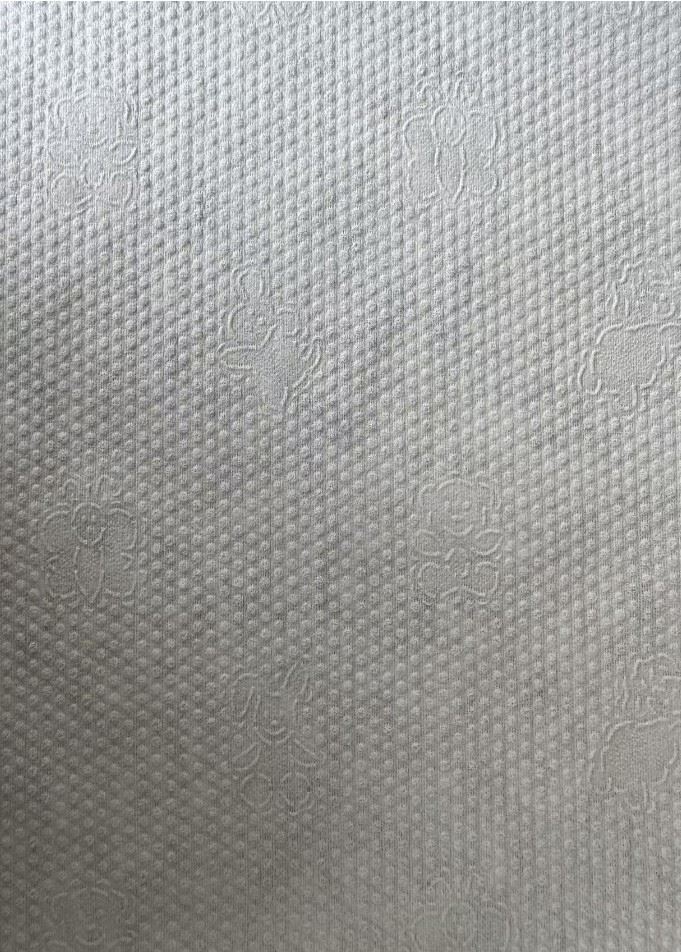
This time - saving aspect translates into increased productivity, as workers can complete their tasks more quickly and move on to other jobs. Additionally, the ease of use of flushable nonwoven products can reduce the likelihood of errors or accidents, further improving the overall efficiency of the workplace. By improving productivity and efficiency, businesses can save on labor costs and increase their competitiveness in the market.
5. Market Competitiveness and Cost - Savings
In today's market, consumers are becoming more environmentally conscious and are willing to pay a premium for sustainable products. Flushable nonwoven products are often seen as a more sustainable option compared to non - flushable alternatives, as they reduce waste and have a lower environmental impact.
Businesses that use flushable nonwoven products can differentiate themselves in the market and attract more customers. This increased market competitiveness can lead to higher sales and revenue. At the same time, the cost - saving opportunities associated with flushable nonwoven, such as reduced disposal, raw material, and packaging costs, can help businesses maintain their profit margins. By balancing cost - savings and market competitiveness, businesses can achieve long - term success in the industry.
6. Long - Term Cost - Savings and Sustainability
Flushable nonwoven is not only a cost - effective solution in the short term but also offers long - term cost - savings and sustainability benefits. As environmental regulations become more stringent, businesses that use non - flushable materials may face additional costs in the form of compliance fees or fines. On the other hand, flushable nonwoven products are designed to meet environmental standards and are less likely to be affected by future regulatory changes.
Investing in flushable nonwoven products is a forward - thinking strategy that can help businesses avoid potential cost increases in the future. Additionally, the sustainable nature of flushable nonwoven can enhance the brand image of businesses, which can lead to increased customer loyalty and long - term profitability.
In conclusion, the cost - saving opportunities in using flushable nonwoven are numerous and significant. From reduced disposal and raw material costs to improved productivity and market competitiveness, businesses across various industries can benefit from choosing flushable nonwoven products. As a flushable nonwoven supplier, I am committed to providing high - quality products that offer both cost - savings and environmental benefits. If you're interested in exploring the potential of flushable nonwoven for your business, I encourage you to contact us for a consultation. We can help you determine the best flushable nonwoven solutions for your specific needs and budget.
References
- "Nonwoven Materials: Structure, Properties, and Applications" by David J. Vaughn.
- "The Handbook of Nonwoven Filter Media" by Howard S. Ginsburg.
- Industry reports on the environmental and economic impacts of flushable nonwoven products.