

As a wet wipes raw material supplier, I've seen firsthand how crucial proper storage is for maintaining the quality of these materials. Whether it's nonwoven fabrics, lotions, or other components, incorrect storage can lead to a significant decline in product quality, ultimately affecting the end - user experience. In this blog, I'll share some tips on how to store wet wipes raw materials properly.
Understanding the Raw Materials
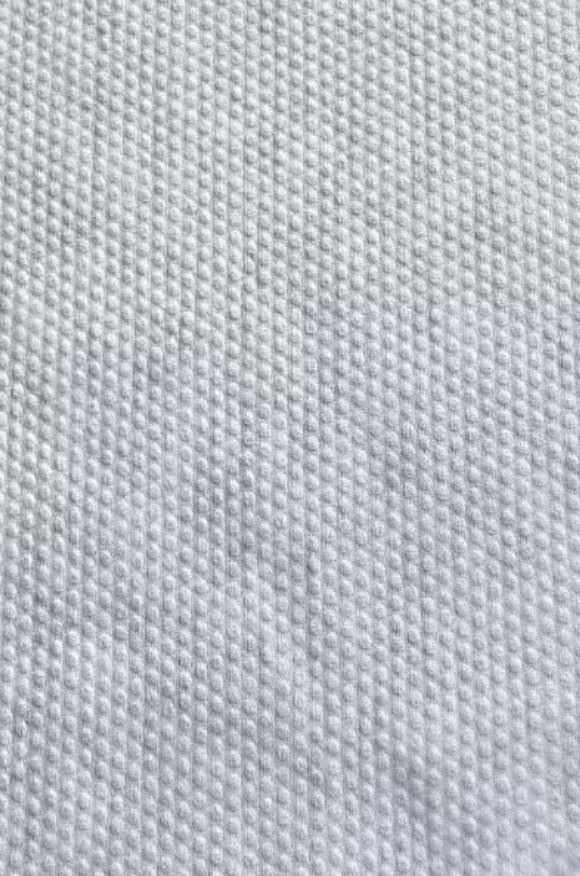
First off, let's talk about the common raw materials used in wet wipes. The most prominent one is the nonwoven fabric. There are different types, like the Flushable Spunlace Fabric, Nonwoven Fabric Throwing To Toilet Flushable, and Flushable Spunlace Nonwoven Fabric. These fabrics are designed to be soft, absorbent, and in some cases, flushable.
Apart from the fabric, there are the lotions and chemicals that are added to the wipes. These can include water, preservatives, fragrances, and moisturizers. Each of these raw materials has its own set of storage requirements, and understanding them is the first step towards proper storage.
Storage Conditions for Nonwoven Fabrics
Nonwoven fabrics are sensitive to environmental factors such as humidity, temperature, and light.
Humidity: High humidity can cause the fabric to absorb moisture, leading to issues like mold growth and a change in the fabric's physical properties. It can make the fabric sticky and less pliable, which is a big no - no for wet wipes. To prevent this, store nonwoven fabrics in a dry environment. A humidity level of around 40% - 60% is ideal. You can use dehumidifiers in the storage area to maintain this level, especially in areas with high natural humidity.
Temperature: Extreme temperatures can also affect the fabric. High temperatures can cause the fabric to become brittle, while low temperatures can make it stiff. The best temperature range for storing nonwoven fabrics is between 10°C - 30°C. Avoid storing the fabrics near heat sources like radiators or in direct sunlight.
Light: Prolonged exposure to light, especially sunlight, can cause the fabric to fade and deteriorate. Store the fabrics in opaque containers or in areas where they are not exposed to direct light. If you have the fabrics on display, make sure it's for a short period and that the light source is not too intense.
Storage of Wet Wipes Lotions and Chemicals
The lotions and chemicals used in wet wipes need to be stored with even more care.
Separation: Different chemicals should be stored separately to prevent accidental mixing, which could lead to chemical reactions. For example, storing acids and bases together can be extremely dangerous. Keep each chemical in its own labeled container and make sure the labels are clear and in good condition.
Temperature: Most lotions and chemicals have a specific temperature range for storage. Some may need to be stored at room temperature, while others may require refrigeration. Always follow the manufacturer's instructions regarding temperature storage. For instance, certain natural ingredients may need to be kept cool to maintain their efficacy.

Ventilation: Good ventilation is essential when storing lotions and chemicals. This helps to prevent the buildup of fumes, which can be harmful to both the materials and the people handling them. Make sure the storage area has proper air circulation, and if possible, use ventilation fans.
Packaging for Storage
The way you package the raw materials also plays a vital role in their storage.
Sealed Containers: For nonwoven fabrics, use sealed plastic bags or containers to prevent moisture and dust from getting in. This helps to maintain the integrity of the fabric. For lotions and chemicals, use airtight containers to prevent evaporation and contamination.
Labeling: Clearly label all containers with the name of the raw material, the date of receipt, and any special storage instructions. This makes it easier to manage inventory and ensures that everyone handling the materials knows how to store them correctly.
Inventory Management
Effective inventory management is another key aspect of proper storage.
First - In, First - Out (FIFO): Implement a FIFO system for your inventory. This means using the oldest raw materials first. This helps to prevent the materials from sitting in storage for too long, which can lead to degradation.
Regular Checks: Conduct regular checks on your inventory. Inspect the raw materials for any signs of damage, such as mold, discoloration, or changes in texture. If you notice any issues, address them immediately to prevent further deterioration.
Thawing and Re - using Frozen Materials
If you have frozen raw materials, proper thawing is crucial.
Slow Thawing: Thaw frozen materials slowly at room temperature or in a refrigerator. Rapid thawing can cause damage to the materials, especially in the case of nonwoven fabrics. Once thawed, use the materials as soon as possible to maintain their quality.
Conclusion
Proper storage of wet wipes raw materials is essential for ensuring the quality of the final product. By understanding the specific storage requirements of each raw material, controlling the storage environment, using proper packaging, and implementing effective inventory management, you can significantly improve the shelf - life and performance of your materials.
If you're in the market for high - quality wet wipes raw materials and want to learn more about our products, don't hesitate to reach out. We're here to answer your questions and help you make the best choices for your wet wipes manufacturing needs.
References
- "Handbook of Nonwoven Fabrics Storage," Textile Storage Association, 2020
- "Chemical Storage Guidelines for the Hygiene Industry," Chemical Safety Institute, 2021