

Hey there! I'm a supplier of Flushable Nonwoven, and I know firsthand the challenges that come with balancing strength and flushability in this product. It's a tricky tightrope to walk, but with the right strategies and a bit of know-how, it's definitely achievable. In this blog post, I'm going to share some tips and techniques that I've found helpful in improving the strength of flushable nonwoven without sacrificing its ability to break down in the sewer system.
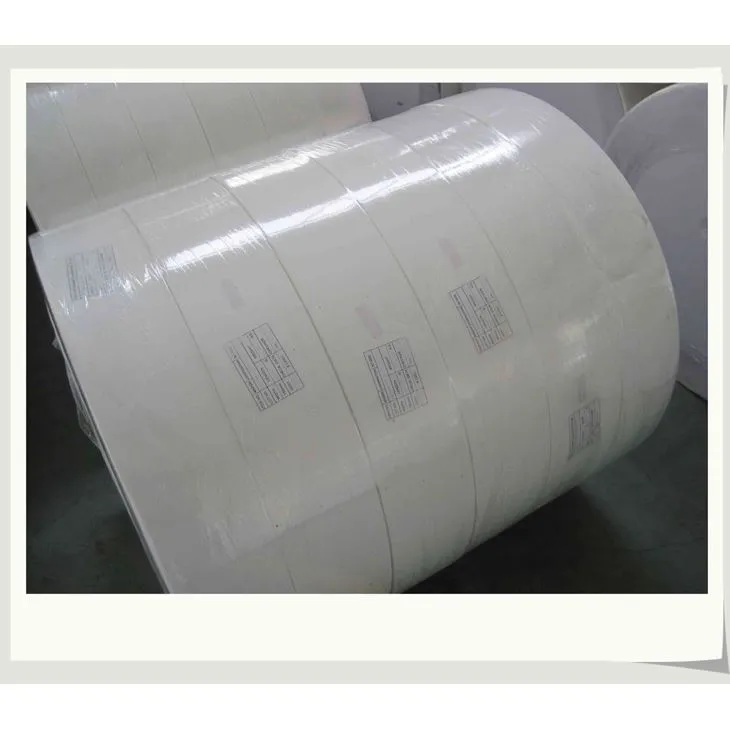
Understanding the Basics of Flushable Nonwoven
Before we dive into the strategies for improving strength, let's take a quick look at what flushable nonwoven is and how it works. Flushable nonwoven is a type of fabric that is designed to be disposable and can be safely flushed down the toilet. It's commonly used in products like wet wipes, feminine hygiene products, and baby wipes.
The key to making nonwoven fabric flushable is to ensure that it breaks down quickly and easily in water. This is typically achieved by using fibers that are biodegradable and have a low resistance to water. However, these same fibers can also make the fabric relatively weak and prone to tearing.

Choosing the Right Fibers
One of the most important factors in improving the strength of flushable nonwoven is choosing the right fibers. Not all fibers are created equal, and some are better suited for flushable applications than others.
- Natural Fibers: Natural fibers like cotton, rayon, and wood pulp are popular choices for flushable nonwoven because they are biodegradable and have a relatively low resistance to water. However, they can also be relatively weak and prone to tearing. To improve the strength of nonwoven made from natural fibers, it's important to choose fibers that are long and have a high tensile strength.
- Synthetic Fibers: Synthetic fibers like polyester and polypropylene are stronger and more durable than natural fibers, but they are also less biodegradable. To make synthetic fibers more flushable, they can be treated with special coatings or additives that help them break down more quickly in water.
- Blended Fibers: Another option is to use a blend of natural and synthetic fibers. This can help to combine the best of both worlds, providing the strength and durability of synthetic fibers with the biodegradability of natural fibers.
Using the Right Bonding Method
In addition to choosing the right fibers, it's also important to use the right bonding method to hold the fibers together. There are several different bonding methods available, each with its own advantages and disadvantages.
- Thermal Bonding: Thermal bonding is a process in which heat is used to melt the fibers together. This method is relatively fast and efficient, but it can also make the fabric stiffer and less soft.
- Chemical Bonding: Chemical bonding is a process in which chemicals are used to bond the fibers together. This method can provide a strong and durable bond, but it can also be more expensive and may require the use of hazardous chemicals.
- Mechanical Bonding: Mechanical bonding is a process in which the fibers are entangled together using mechanical means, such as needle punching or hydroentanglement. This method can provide a soft and flexible fabric, but it may not be as strong as thermal or chemical bonding.
Adding Reinforcements
Another way to improve the strength of flushable nonwoven is to add reinforcements. Reinforcements can be added in the form of additional fibers, threads, or films.
- Fibers: Adding additional fibers to the nonwoven fabric can help to increase its strength and durability. This can be done by blending different types of fibers or by adding a layer of stronger fibers on top of the existing fabric.
- Threads: Adding threads to the nonwoven fabric can also help to increase its strength and durability. This can be done by sewing or weaving the threads into the fabric.
- Films: Adding a thin layer of film to the nonwoven fabric can help to increase its strength and water resistance. This can be done by laminating the film to the fabric or by coating the fabric with a thin layer of film.
Testing and Quality Control
Once you've implemented these strategies for improving the strength of flushable nonwoven, it's important to test the fabric to ensure that it meets the required standards for strength and flushability. This can be done using a variety of testing methods, such as tensile strength testing, tear strength testing, and flushability testing.
In addition to testing the fabric, it's also important to implement a quality control program to ensure that the fabric is consistent and meets the required standards. This can include regular inspections, testing, and monitoring of the manufacturing process.
Conclusion
Improving the strength of flushable nonwoven without sacrificing flushability is a challenging but achievable goal. By choosing the right fibers, using the right bonding method, adding reinforcements, and implementing a testing and quality control program, you can create a high-quality flushable nonwoven fabric that meets the needs of your customers.
If you're interested in learning more about our Flushable Nonwoven products or have any questions about improving the strength of flushable nonwoven, please don't hesitate to contact us. We'd be happy to discuss your needs and provide you with more information.
References
- ASTM International. (2021). Standard Test Method for Tensile Properties of Nonwoven Fabrics. ASTM D5034-11(2021).
- ASTM International. (2021). Standard Test Method for Tear Resistance of Nonwoven Fabrics by Trapezoid Procedure. ASTM D5587-19.
- European Disposables and Nonwovens Association (EDANA). (2021). Guidelines for Assessing the Flushability of Nonwoven Products. EDANA Flushability Guidelines 2021.