

Ensuring the colorfastness of wet wipes raw materials is a crucial aspect of producing high-quality wet wipes. As a supplier of Wet Wipes Raw Material, I understand the significance of maintaining the integrity of colors in these materials. In this blog post, I will share some insights and strategies on how to ensure the colorfastness of wet wipes raw materials.
Understanding Colorfastness
Colorfastness refers to the ability of a material to retain its color when exposed to various factors such as washing, rubbing, light, and chemicals. In the context of wet wipes, colorfastness is essential to prevent color transfer onto the skin or other surfaces during use. Poor colorfastness can lead to staining, which is not only unappealing but also a potential safety concern.
Factors Affecting Colorfastness
Several factors can affect the colorfastness of wet wipes raw materials. Understanding these factors is the first step in ensuring colorfastness.
1. Dye Quality
The quality of the dyes used in the coloring process plays a significant role in colorfastness. High-quality dyes are more likely to adhere to the fibers of the raw material and resist fading or bleeding. When selecting dyes, it is important to choose those that are specifically formulated for use in wet wipes and have good colorfastness properties.
2. Fiber Type
Different types of fibers have different affinities for dyes and different levels of colorfastness. For example, Wood Pulp Spunlace Non Woven Fabric and Flushable Spunlace Fabric may have different dyeing characteristics. Natural fibers like cotton tend to have better colorfastness than synthetic fibers in some cases, but this can also depend on the specific dyeing process.
3. Dyeing Process
The dyeing process itself can have a major impact on colorfastness. Proper dyeing techniques, such as controlling the temperature, pH, and dye concentration, are essential for ensuring that the dye is evenly distributed and firmly attached to the fibers. Over-dyeing or under-dyeing can lead to poor colorfastness.
4. Chemical Exposure
Wet wipes often come into contact with various chemicals, such as cleaning agents, disinfectants, and lotions. These chemicals can react with the dyes and cause color fading or bleeding. It is important to test the raw materials for colorfastness when exposed to the specific chemicals that will be used in the wet wipes.
5. Light Exposure
Prolonged exposure to light, especially sunlight, can cause the dyes in the raw materials to fade. This is particularly important for wet wipes that are stored in transparent or semi-transparent packaging. UV-resistant dyes or protective packaging can help to minimize the effects of light exposure.
Strategies for Ensuring Colorfastness
1. Select High-Quality Raw Materials
As a supplier, I always source high-quality raw materials from reliable manufacturers. This includes choosing fibers with good dyeing properties and dyes that are known for their colorfastness. By starting with high-quality materials, we can lay a solid foundation for ensuring the colorfastness of the final product.
2. Optimize the Dyeing Process
We work closely with our dyeing partners to optimize the dyeing process. This involves conducting extensive research and development to find the best combination of dyeing parameters for each type of raw material. We also use advanced dyeing equipment and techniques to ensure that the dye is evenly distributed and firmly attached to the fibers.
3. Conduct Rigorous Testing
Before releasing any raw materials to our customers, we conduct rigorous colorfastness testing. This includes testing for colorfastness to washing, rubbing, light, and chemicals. We use standardized testing methods and equipment to ensure accurate and reliable results. If any raw materials fail the colorfastness tests, we do not use them in our products.
4. Provide Technical Support
We understand that our customers may have questions or concerns about colorfastness. That's why we provide comprehensive technical support to help them choose the right raw materials and ensure the colorfastness of their wet wipes. Our technical team is available to answer questions, provide advice, and conduct on-site consultations if necessary.
5. Stay Up-to-Date with Industry Standards
The wet wipes industry is constantly evolving, and new standards and regulations are being introduced all the time. We stay up-to-date with the latest industry standards and regulations regarding colorfastness and ensure that our products comply with these requirements. This helps us to maintain the quality and safety of our products and to meet the expectations of our customers.
Case Study: Ensuring Colorfastness in Flushable Spunlace Fabric
To illustrate how we ensure colorfastness in our wet wipes raw materials, let's take a look at a case study of our Flushable Spunlace Fabric.
We started by selecting a high-quality wood pulp fiber as the base material for the fabric. This fiber has good dyeing properties and is known for its strength and absorbency. We then chose a specially formulated dye that is resistant to fading and bleeding.
During the dyeing process, we carefully controlled the temperature, pH, and dye concentration to ensure that the dye was evenly distributed and firmly attached to the fibers. We also conducted several rounds of colorfastness testing during the production process to monitor the quality of the dyeing.
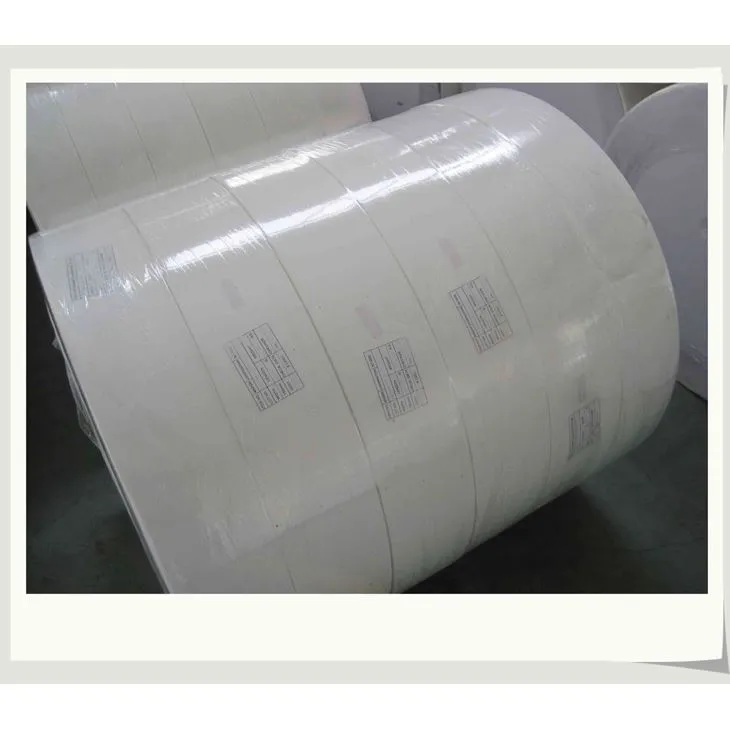

After the fabric was dyed, we conducted a final round of comprehensive colorfastness testing. This included testing for colorfastness to washing, rubbing, light, and chemicals. The results of the testing showed that the fabric had excellent colorfastness, with no significant fading or bleeding.
We were able to deliver a high-quality Flushable Spunlace Fabric to our customer, who was very satisfied with the colorfastness of the product. This case study demonstrates our commitment to ensuring the colorfastness of our wet wipes raw materials and our ability to meet the needs of our customers.
Conclusion
Ensuring the colorfastness of wet wipes raw materials is a complex but essential task. By understanding the factors that affect colorfastness and implementing the strategies outlined in this blog post, we can produce high-quality wet wipes that meet the expectations of our customers.
As a supplier of Wet Wipes Raw Material, I am committed to providing our customers with the best possible products and services. If you are interested in learning more about our wet wipes raw materials or have any questions about colorfastness, please feel free to contact us. We look forward to working with you to ensure the success of your wet wipes business.
References
- ASTM International. (2023). ASTM D2044 - 19(2023) Standard Test Method for Colorfastness to Crocking of Textiles.
- ISO. (2023). ISO 105 - B02:2014 Textiles - Tests for color fastness - Part B02: Color fastness to artificial light: Xenon arc fading lamp test.
- AATCC. (2023). AATCC Test Method 61 - 2023 Colorfastness to Laundering.