

Hey there! As a supplier of flushable nonwoven, I've been getting a lot of questions lately about how the stiffness of flushable nonwoven affects its application. So, I thought I'd sit down and write a blog post to share my thoughts on this topic.
First off, let's talk about what flushable nonwoven is. Flushable nonwoven is a type of fabric that's designed to break down quickly when it's flushed down the toilet. It's commonly used in products like wet wipes, feminine hygiene products, and baby wipes. The great thing about flushable nonwoven is that it's convenient and eco - friendly, as it doesn't clog up the pipes like traditional wipes.
Now, the stiffness of flushable nonwoven plays a crucial role in its application. You see, stiffness can be defined as the fabric's resistance to bending or deformation. And this characteristic can have a big impact on how the nonwoven performs in different products.
Impact on Wet Wipes
Let's start with wet wipes. Wet wipes are one of the most common applications for flushable nonwoven. When it comes to wet wipes, the stiffness of the nonwoven affects the user experience in a few ways.
If the nonwoven is too stiff, the wet wipe might feel rough and uncomfortable on the skin. You know, nobody wants to use a wipe that feels like a piece of cardboard on their face or body. It can also be difficult to fold and package the wipes properly if they're too stiff. This can lead to issues in the manufacturing process, like jams in the packaging machines.
On the other hand, if the nonwoven is too soft, the wet wipe might not have enough structure. It could tear easily during use, which is a major annoyance for the consumer. You're in the middle of cleaning up a mess, and the wipe just rips apart! That's not a good look. So, finding the right balance of stiffness is key for wet wipes. A moderately stiff nonwoven provides enough strength to hold up during use while still feeling soft on the skin. Check out our Wet Wipes Raw Material page to learn more about the perfect nonwoven for wet wipes.
Influence on Feminine Hygiene Products
For feminine hygiene products, stiffness also matters a great deal. These products need to be comfortable to wear, but they also need to maintain their shape.
A nonwoven that's too stiff can cause discomfort and irritation. Women want products that feel gentle and natural, not something that feels like it's digging into their skin. On the other hand, a very soft nonwoven might not provide enough support. For example, in sanitary pads, the nonwoven needs to be able to hold the absorbent core in place and prevent leakage. A moderately stiff nonwoven can strike the right balance between comfort and functionality.
Role in Baby Wipes
When it comes to baby wipes, the stiffness of the flushable nonwoven is super important. Babies have delicate skin, so the wipes need to be soft and gentle. However, they also need to be strong enough to clean up messes without tearing.
If the nonwoven is too stiff, it can cause redness and irritation on the baby's skin. You don't want your little one to be in pain because of a rough wipe. But if it's too soft, it won't be able to do its job properly. A well - balanced stiffness ensures that the baby wipe is both gentle on the skin and durable enough to handle the job.
Impact on Manufacturing Processes
The stiffness of flushable nonwoven also affects the manufacturing processes. In the production of wet wipes, for example, the nonwoven needs to move smoothly through the machinery. If it's too stiff, it can cause jams and slow down the production line. This means lost time and money for the manufacturer.
On the other hand, if the nonwoven is too soft, it might not be able to be fed through the machines accurately. It could bunch up or get stuck, again causing production issues. So, the right stiffness is essential for efficient manufacturing.
How to Control Stiffness
As a supplier, we have several ways to control the stiffness of flushable nonwoven. One way is through the choice of fibers. Different types of fibers have different stiffness properties. For example, some synthetic fibers are naturally stiffer than others. By carefully selecting the fibers, we can achieve the desired level of stiffness.

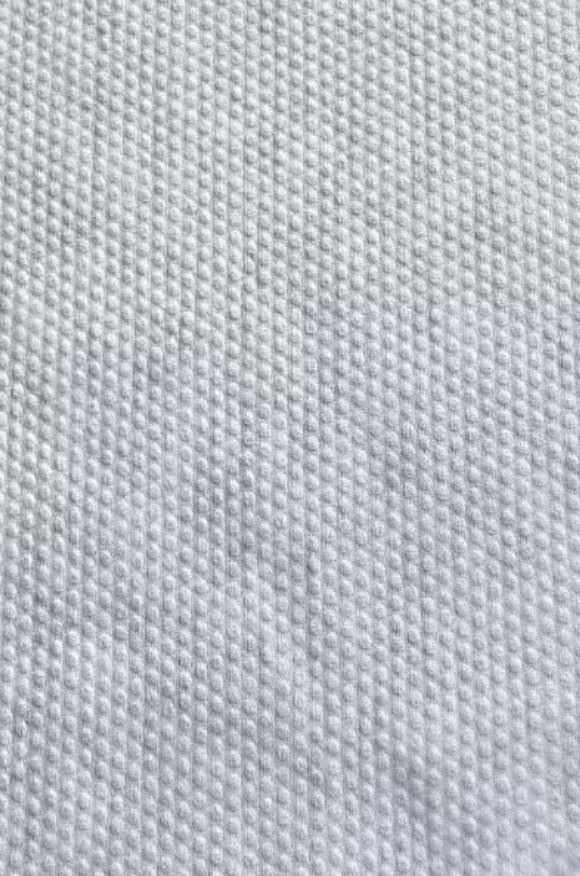
Another way is through the bonding process. The way the fibers are bonded together can affect the stiffness of the nonwoven. There are different bonding methods, such as thermal bonding, chemical bonding, and hydroentanglement. Each method can result in a different level of stiffness.
Conclusion and Call to Action
In conclusion, the stiffness of flushable nonwoven has a significant impact on its application in various products. Whether it's wet wipes, feminine hygiene products, or baby wipes, finding the right balance of stiffness is crucial for both the user experience and the manufacturing process.
If you're in the market for high - quality flushable nonwoven, look no further. We're a reliable supplier with years of experience in the industry. We can provide you with flushable nonwoven that has the perfect stiffness for your specific needs. Check out our Nonwoven Fabric Throwing To Toilet Flushable and Flushable Spunlace Nonwoven Fabric pages to learn more about our products.
If you have any questions or want to discuss your requirements, don't hesitate to reach out. We're here to help you find the best flushable nonwoven solution for your business. Let's start a conversation and see how we can work together!
References
- "Nonwoven Fabrics: Structure, Properties, and Applications" by Horrocks, A. R., & Anand, S. C.
- "Handbook of Nonwovens" edited by Yu, J.