

Hey there! I'm a supplier of Wet Wipes Raw Material, and today I wanna chat about whether wet wipes raw materials need special transportation conditions.
Let's first understand what wet wipes raw materials are. We're talking about things like non - woven fabrics, chemicals for the wetting solution, and various additives. For instance, Flushable Spunlace Nonwoven Fabric is a popular choice for making flushable wet wipes. It's designed to break down in water, which is a great feature, but it also means it has certain characteristics that might affect how it should be transported.
Non - woven Fabrics
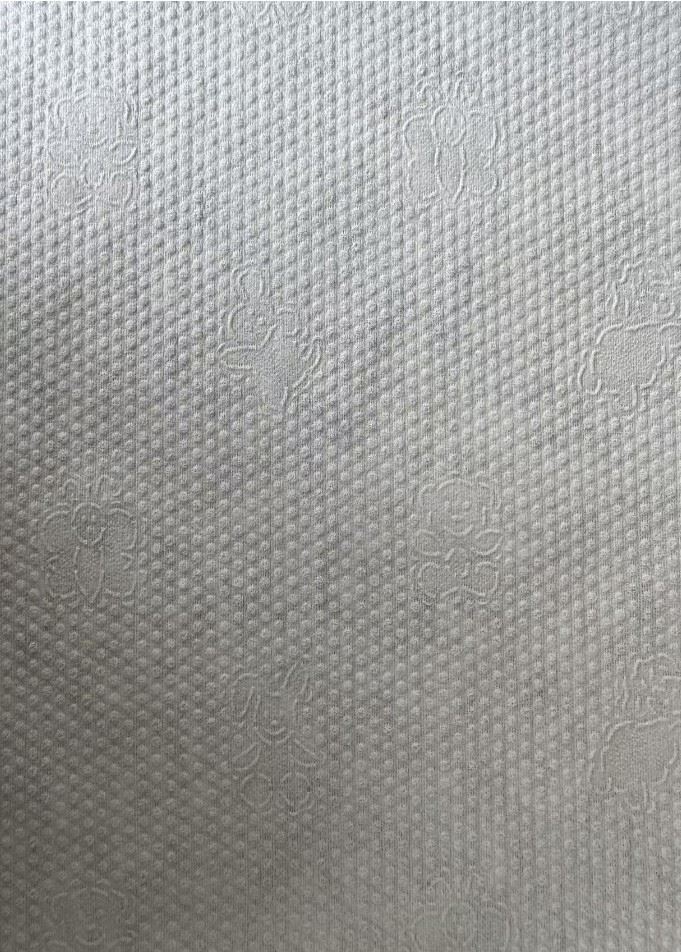
Non - woven fabrics are a key component of wet wipes. They come in different types, like the Nonwoven Fabric Throwing To Toilet Flushable. These fabrics are usually sensitive to moisture. If they get wet during transportation, they can start to degrade, lose their strength, and even develop mold. So, keeping them dry is super important.
For transportation, we often use sealed containers or packaging that can protect the non - woven fabrics from humidity. In some cases, we might also add desiccants to absorb any extra moisture. And it's not just about the humidity in the air; if there's a leak in the transportation vehicle, say from a roof or a damaged wall, it can spell disaster for the raw materials.
Temperature can also be a factor. Extreme heat can cause the fibers in the non - woven fabric to warp or become brittle. On the other hand, very cold temperatures can make the fabric stiffer, which might affect its performance when it's used to make wet wipes. So, for long - distance transportation, especially across different climate zones, we need to pay attention to the temperature inside the transport vehicle. Some suppliers even use temperature - controlled trucks to ensure the non - woven fabrics are kept in an ideal environment.
Chemicals in Wetting Solutions
The chemicals used in wet wipes' wetting solutions are another story. These can include things like preservatives, fragrances, and moisturizers. Many of these chemicals are flammable or hazardous in some way. For example, some of the solvents used in the wetting solutions can catch fire easily if they're exposed to an open flame or a spark.

When transporting these chemicals, we have to follow strict safety regulations. They need to be stored in approved containers that can prevent leaks and spills. The transportation vehicles also need to be equipped with proper safety features, like fire extinguishers and ventilation systems. In addition, drivers need to be trained on how to handle these hazardous materials. They need to know what to do in case of an emergency, such as a spill or a fire.
Another aspect is the reactivity of these chemicals. Some chemicals can react with each other if they're mixed accidentally. So, during transportation, we need to make sure that different chemicals are stored separately. This might mean using different compartments in the truck or keeping them in separate pallets.
Additives
Additives are used to enhance the performance of wet wipes, like making them softer or more antibacterial. These additives can be in powder, liquid, or gel form. Similar to the chemicals in wetting solutions, they also have their own transportation requirements.
Powdered additives can be easily dispersed in the air if the packaging is damaged. This can be a health hazard for the people handling them and can also contaminate other products in the vehicle. So, they need to be packed in air - tight containers.
Liquid and gel additives might be sensitive to temperature changes. Some might solidify in cold temperatures, while others might become too thin and runny in hot temperatures. This can affect their quality and performance. So, like the non - woven fabrics, we might need to control the temperature during transportation.
Special Transportation Conditions Overall
In general, wet wipes raw materials do need special transportation conditions. It's not like transporting regular goods. The cost of transportation is also affected by these special requirements. For example, using temperature - controlled trucks or transporting hazardous chemicals will cost more than a regular delivery.
But here's the thing. By ensuring that the raw materials are transported under the right conditions, we can guarantee their quality. This means that the wet wipes made from these raw materials will be of high quality too. Customers will be more satisfied with products that are well - made and don't have any issues like moldy fabrics or damaged chemicals.
As a supplier of Wet Wipes Raw Material, I take these transportation requirements very seriously. I know that if I don't get it right, it can have a big impact on the final product. That's why I work closely with logistics partners who understand these special needs. We communicate regularly to make sure that everything is going smoothly during transportation.
Why It Matters to You
If you're in the business of making wet wipes, you should care about the transportation conditions of the raw materials. The quality of the raw materials directly affects the quality of your products. If you use raw materials that have been damaged during transportation, your wet wipes might not perform as expected. They could have a shorter shelf - life, a bad smell, or a poor texture.
This can lead to unhappy customers and a damaged reputation for your brand. On the other hand, if you source your raw materials from a supplier who takes transportation seriously, you can be more confident in the quality of your products. This can help you build a better brand and increase your sales.
Let's Connect
If you're interested in sourcing high - quality wet wipes raw materials, I'd love to have a chat with you. I can provide you with detailed information about our products and how we ensure their quality during transportation. Whether you're a small - scale producer or a large - scale manufacturer, I'm here to meet your needs. So, don't hesitate to reach out and let's start a conversation about your wet wipes production.
References
- Industry standards for transporting hazardous chemicals
- Research on the effects of temperature and humidity on non - woven fabrics
- Guidelines for the storage and transportation of wet wipes additives