

As a supplier of Wet Wipes Raw Material, I often encounter inquiries regarding the feasibility of using these raw materials for industrial wet wipes. This topic is of great significance as the demand for industrial wet wipes has been on the rise in various sectors, including manufacturing, automotive, and healthcare. In this blog post, I will delve into the question of whether wet wipes raw materials can be used for industrial wet wipes, exploring the characteristics of these materials, the requirements of industrial applications, and the potential challenges and opportunities.
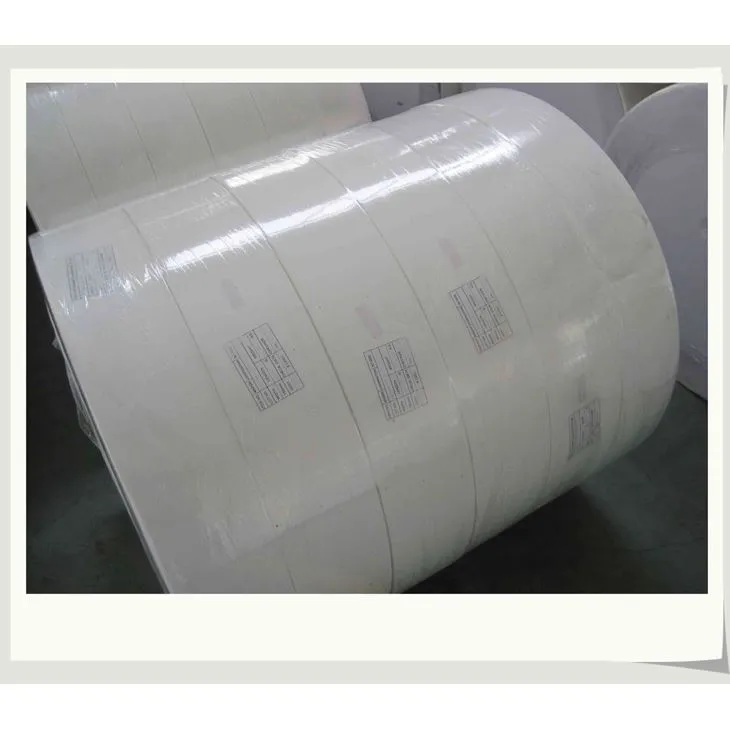
Characteristics of Wet Wipes Raw Materials
Wet wipes raw materials come in a variety of forms, each with its own unique properties. One of the most commonly used materials is the Wood Pulp Spunlace Non Woven Fabric. This fabric is made from natural wood pulp fibers, which are entangled together using a high - pressure water jet process. It offers excellent absorbency, softness, and biodegradability. These features make it suitable for a wide range of wet wipe applications, including personal care and household cleaning.
Another important raw material is the Flushable Spunlace Fabric. As the name suggests, this fabric is designed to be flushed down the toilet without causing blockages. It is typically made from a combination of cellulose fibers and synthetic fibers, which are engineered to break down easily in water. The flushable nature of this fabric makes it a popular choice for personal hygiene wet wipes.
In addition to these fabrics, wet wipes raw materials also include chemicals and additives such as surfactants, preservatives, and fragrances. These substances are used to enhance the cleaning power, antibacterial properties, and sensory experience of the wet wipes.
Requirements of Industrial Wet Wipes
Industrial wet wipes have different requirements compared to consumer - grade wet wipes. In industrial settings, wet wipes are often used for heavy - duty cleaning, degreasing, and disinfection. Therefore, they need to have strong cleaning power, high durability, and excellent chemical resistance.
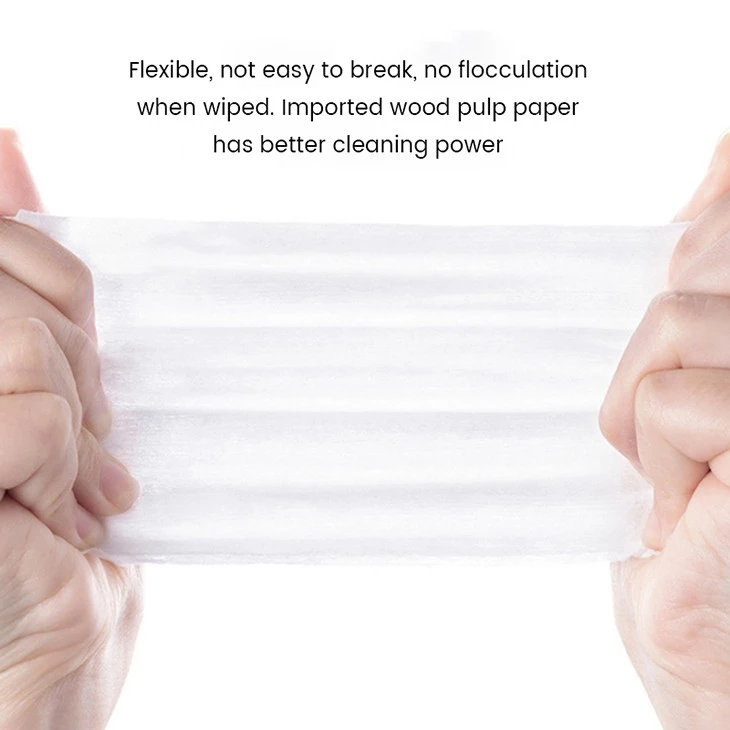
For example, in the manufacturing industry, wet wipes are used to clean machinery parts, remove grease and oil, and prevent corrosion. These wipes need to be able to withstand harsh chemicals and solvents without losing their integrity. In the automotive industry, wet wipes are used for interior cleaning, including removing dirt, stains, and fingerprints from dashboards, seats, and steering wheels. The wipes should be soft enough not to scratch the surfaces but also effective in removing tough stains.
In the healthcare industry, industrial wet wipes are used for disinfection purposes. They need to be able to kill a wide range of pathogens, including bacteria, viruses, and fungi. Moreover, they should be gentle on the skin to avoid irritation when used for patient care.
Can Wet Wipes Raw Materials Be Used for Industrial Wet Wipes?
The answer is both yes and no. Some wet wipes raw materials can be used for industrial wet wipes, while others may not meet the specific requirements of industrial applications.
Let's start with the positive side. The Wood Pulp Spunlace Non Woven Fabric can be a good choice for certain industrial applications. Its high absorbency makes it suitable for cleaning up spills and removing liquid contaminants. For example, in a food processing plant, these wipes can be used to clean up food residues and liquids. Additionally, the natural and biodegradable nature of the wood pulp makes it an environmentally friendly option.
The chemicals and additives used in wet wipes can also be adjusted to meet the needs of industrial applications. For instance, by using stronger surfactants and antibacterial agents, wet wipes can be made more effective in heavy - duty cleaning and disinfection.

However, there are also limitations. The softness and biodegradability of some consumer - grade wet wipes raw materials may not be suitable for industrial use. Industrial wet wipes often need to be more durable and resistant to wear and tear. The Flushable Spunlace Fabric, although useful for personal hygiene, may not be strong enough to withstand the rigorous cleaning tasks in industrial settings. It may tear easily when used to clean rough surfaces or when in contact with sharp objects.
Moreover, the chemical resistance of some wet wipes raw materials may be insufficient. Industrial environments often involve the use of strong chemicals and solvents, and the wet wipes need to be able to maintain their structure and performance in such conditions. If the raw materials are not chemically resistant, they may break down or dissolve, rendering the wet wipes ineffective.
Challenges and Opportunities
Using wet wipes raw materials for industrial wet wipes presents several challenges. One of the main challenges is to find the right balance between performance and cost. Developing raw materials that meet the high - performance requirements of industrial applications can be expensive. Suppliers need to invest in research and development to improve the properties of the raw materials while keeping the production cost under control.
Another challenge is to ensure compliance with industry regulations. In different industries, there are specific regulations regarding the use of chemicals, materials, and product safety. For example, in the healthcare industry, wet wipes need to meet strict standards for disinfection and biocompatibility. Suppliers need to be well - informed about these regulations and ensure that their products are in full compliance.
Despite these challenges, there are also significant opportunities. The growing demand for industrial wet wipes provides a large market for wet wipes raw material suppliers. By developing innovative raw materials that can meet the specific needs of industrial applications, suppliers can gain a competitive edge in the market. For example, creating a new type of fabric that combines high durability with excellent chemical resistance can open up new business opportunities.
Conclusion
In conclusion, while some wet wipes raw materials can be used for industrial wet wipes, it is essential to carefully evaluate their suitability based on the specific requirements of the industrial applications. As a Wet Wipes Raw Material supplier, we are committed to developing and providing high - quality raw materials that can meet the diverse needs of the industrial market.

If you are interested in our wet wipes raw materials for industrial use, we encourage you to contact us for more information and to discuss your specific requirements. We are more than happy to work with you to find the best solutions for your business.
References
- "Nonwoven Fabrics: Structure, Properties, and Applications" by J. E. Goswami, B. K. Behera, and S. K. Tripathi.
- "Industrial Cleaning and Sanitation" by J. W. Schmidt.
- Industry reports on the wet wipes and industrial cleaning sectors.