

Antibacterial wet wipes have become a staple in many households and commercial settings, offering a convenient and effective way to clean and disinfect various surfaces. With their versatility, a common question arises: Can antibacterial wet wipes be used to clean glass surfaces? As a supplier of high-quality antibacterial wet wipes, I'm here to explore this topic in depth and provide you with the information you need to make an informed decision.
The Composition of Antibacterial Wet Wipes
Before delving into whether antibacterial wet wipes are suitable for glass cleaning, it's essential to understand what they're made of. Antibacterial wet wipes typically contain a combination of water, cleaning agents, antibacterial agents, and sometimes fragrances or moisturizers. The cleaning agents are designed to break down dirt, grease, and grime, while the antibacterial agents help to kill germs and bacteria on the surface being cleaned.
The specific ingredients can vary depending on the brand and type of wet wipes. Some common antibacterial agents include alcohol, benzalkonium chloride, and triclosan. These agents are effective at killing a wide range of bacteria and viruses, making the wet wipes a popular choice for disinfecting surfaces in kitchens, bathrooms, and other high-traffic areas.
Cleaning Glass Surfaces with Antibacterial Wet Wipes
When it comes to cleaning glass surfaces, such as windows, mirrors, or glass tabletops, antibacterial wet wipes can be a convenient option. The cleaning agents in the wet wipes can effectively remove dirt, fingerprints, and smudges from the glass, leaving it looking clean and clear.
However, there are some factors to consider before using antibacterial wet wipes on glass. First, the type of antibacterial agent in the wet wipes can affect the glass. For example, alcohol-based wet wipes can be effective at cleaning glass, but they can also cause the glass to dry quickly, leaving streaks. Additionally, if the alcohol content is too high, it can damage certain types of glass coatings or tinting.
Another consideration is the texture of the wet wipes. Some wet wipes may have a rough or abrasive texture, which can scratch the glass surface. To avoid this, it's important to choose wet wipes that are specifically designed for use on glass or have a soft, non-abrasive texture.
Advantages of Using Antibacterial Wet Wipes on Glass
Despite the potential drawbacks, there are several advantages to using antibacterial wet wipes to clean glass surfaces. One of the main benefits is convenience. Antibacterial wet wipes are pre-moistened and ready to use, making them a quick and easy solution for cleaning glass on the go. You don't need to mix any cleaning solutions or use additional tools, which can save you time and effort.
Another advantage is the antibacterial properties of the wet wipes. In addition to cleaning the glass, the wet wipes can also disinfect the surface, killing germs and bacteria that may be present. This can be especially beneficial in areas where hygiene is a concern, such as bathrooms or kitchens.
Disadvantages of Using Antibacterial Wet Wipes on Glass
As mentioned earlier, there are some disadvantages to using antibacterial wet wipes on glass. One of the main drawbacks is the potential for streaking. The cleaning agents in the wet wipes can leave behind a residue that can cause streaks to form on the glass, especially if the wet wipes are not used correctly.
Another disadvantage is the potential for damage to the glass. Some antibacterial agents, such as alcohol, can be harsh on certain types of glass coatings or tinting. If you're unsure whether the wet wipes are safe to use on your glass surface, it's best to test them on a small, inconspicuous area first.
Alternatives to Antibacterial Wet Wipes for Glass Cleaning
If you're concerned about the potential drawbacks of using antibacterial wet wipes on glass, there are several alternatives available. One option is to use a traditional glass cleaner, such as Windex or another brand. Glass cleaners are specifically formulated to clean glass surfaces without leaving streaks or residue, and they are generally safe to use on all types of glass.

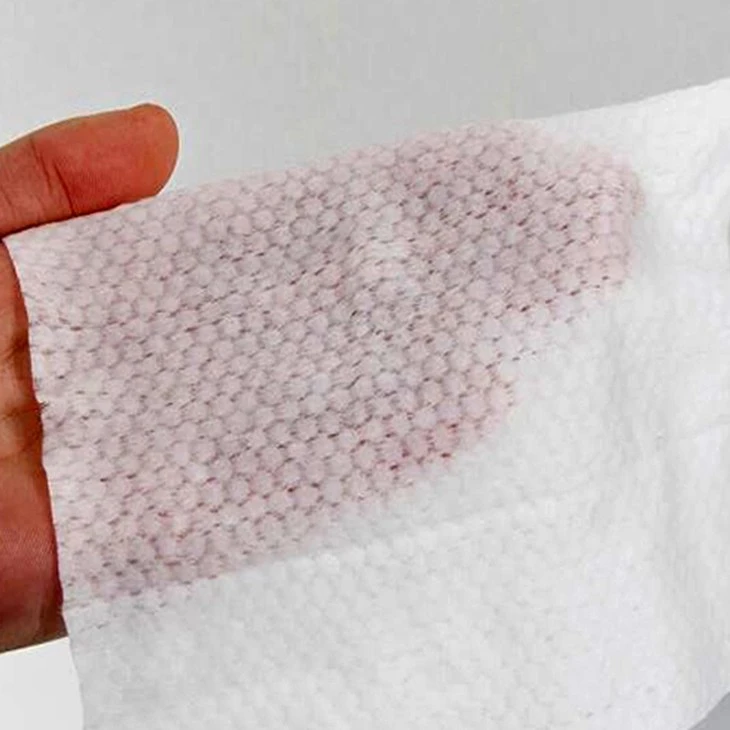
Another option is to make your own glass cleaning solution using household ingredients. A simple solution of water and vinegar can be effective at cleaning glass, and it's also environmentally friendly. To make the solution, mix equal parts water and vinegar in a spray bottle, and then spray the solution onto the glass surface. Wipe the glass with a clean, lint-free cloth to remove the dirt and streaks.
Our Antibacterial Wet Wipes
As a supplier of antibacterial wet wipes, we offer a range of products that are suitable for various cleaning applications, including glass cleaning. Our wet wipes are made with high-quality ingredients and are designed to be gentle on surfaces while still providing effective cleaning and disinfection.
One of our popular products is the Individually Wrapped Flushable Toilet Wipes. These wet wipes are individually wrapped for convenience and are flushable, making them a great option for use in the bathroom. They are also antibacterial and can be used to clean other surfaces, such as glass.
Another product we offer is the Flushable Alcohol Wipes. These wet wipes contain alcohol, which is a powerful antibacterial agent. They are effective at killing germs and bacteria on surfaces, and they can also be used to clean glass. However, as mentioned earlier, it's important to use them with caution on glass to avoid streaking or damage.
We also have Travel Size Flushable Wipes, which are perfect for on-the-go cleaning. These wet wipes are small and portable, making them easy to carry in your purse, backpack, or car. They are also antibacterial and can be used to clean glass surfaces when you're away from home.
Conclusion
In conclusion, antibacterial wet wipes can be used to clean glass surfaces, but it's important to consider the potential drawbacks and choose the right product for the job. If you're looking for a convenient and effective way to clean glass, our antibacterial wet wipes are a great option. However, if you're concerned about streaking or damage to the glass, you may want to consider using a traditional glass cleaner or a homemade cleaning solution.
If you're interested in learning more about our antibacterial wet wipes or would like to discuss your cleaning needs, please don't hesitate to contact us. We're here to help you find the best cleaning solutions for your home or business.
References
- "Cleaning and Disinfecting Your Home." Centers for Disease Control and Prevention.
- "How to Clean Glass." The Spruce.
- "DIY Glass Cleaner Recipes." Real Simple.