

Hey there! As a supplier of wet wipes raw materials, I often get asked about the specific requirements for these materials in the medical field. It's a super important topic, so I thought I'd share some insights based on my experience in the industry.
First off, let's talk about the key aspects that make raw materials suitable for medical wet wipes. One of the most crucial factors is safety. Medical wet wipes are used for various purposes, such as cleaning wounds, disinfecting medical equipment, and even for personal hygiene in a medical setting. So, the raw materials need to be non - toxic and hypoallergenic. This means they shouldn't cause any allergic reactions or harm to patients or medical staff.
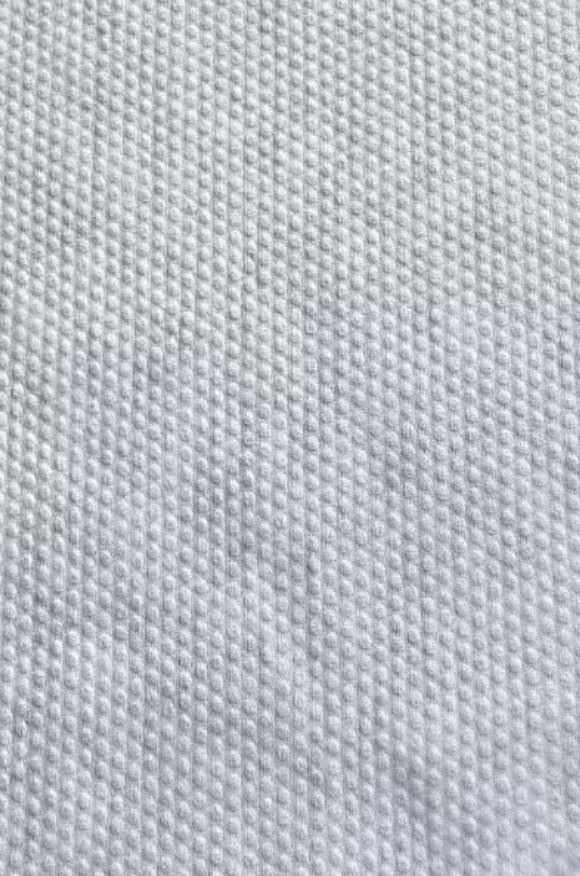
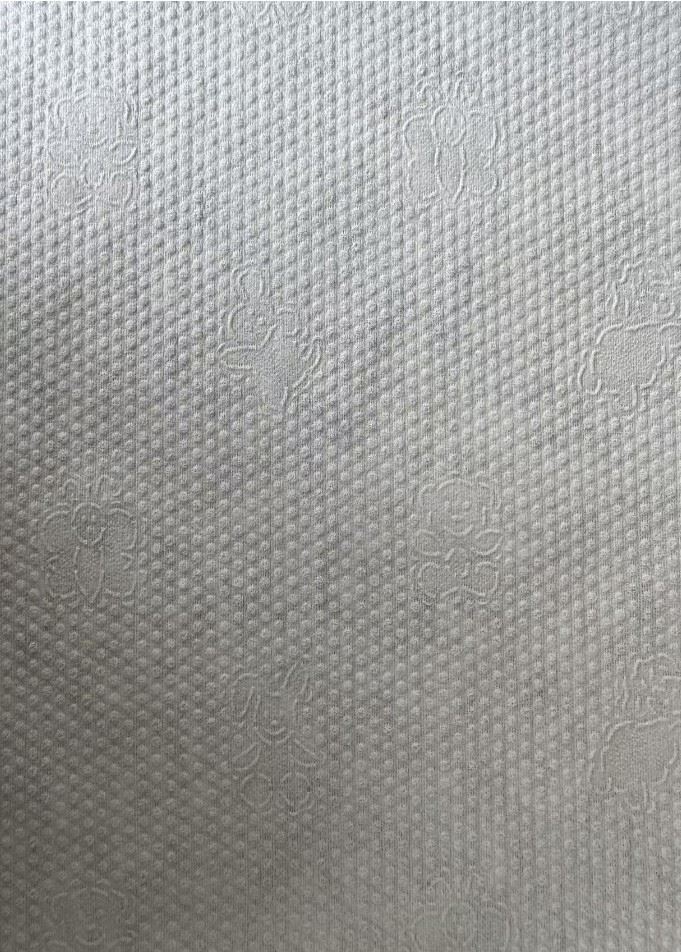
For example, the fabric used in medical wet wipes has to meet strict standards. A popular choice is the Flushable Spunlace Fabric. This type of fabric is not only strong and absorbent but also has a smooth texture that won't irritate the skin. It can hold a large amount of liquid, which is essential for wet wipes to perform their cleaning and disinfecting functions effectively.
Another important type of fabric is the Nonwoven Fabric Throwing To Toilet Flushable. In a medical environment, it's often necessary to dispose of used wet wipes properly. This flushable non - woven fabric allows for easy and hygienic disposal, reducing the risk of cross - contamination.
The Wood Pulp Spunlace Non Woven Fabric is also a great option. It's made from natural wood pulp, which is biodegradable and environmentally friendly. This is an important consideration in today's world, where sustainability is becoming more and more important. Moreover, wood pulp spunlace non - woven fabric has good moisture - retention properties, ensuring that the wet wipes stay moist for a longer time.
In addition to the fabric, the liquid used in medical wet wipes is equally important. The liquid formulation should have effective disinfectant properties. It needs to be able to kill a wide range of bacteria, viruses, and fungi. Common disinfectants used in medical wet wipes include alcohol, hydrogen peroxide, and chlorhexidine. However, the concentration of these disinfectants has to be carefully controlled. Too high a concentration can be harmful to the skin, while too low a concentration may not be effective in killing pathogens.
The pH level of the liquid is also a critical factor. The skin has a natural pH balance, and medical wet wipes should have a pH level that is close to this natural balance. This helps to prevent skin irritation and maintain the skin's natural barrier function.
When it comes to packaging, medical wet wipes need to be packaged in a way that preserves their effectiveness. The packaging should be airtight to prevent the evaporation of the liquid and the entry of contaminants. It should also be easy to open and reseal, so that the wet wipes can be used multiple times without losing their moisture and disinfectant properties.
Now, let's talk about regulatory requirements. In the medical field, there are strict regulations governing the production and use of medical wet wipes. These regulations ensure the safety and effectiveness of the products. For example, in the United States, medical wet wipes are regulated by the Food and Drug Administration (FDA). The raw materials used in these products must meet the FDA's standards for safety and quality.
In Europe, the European Union has its own set of regulations for medical devices, which include medical wet wipes. These regulations cover aspects such as product design, manufacturing processes, and labeling. As a raw material supplier, it's our responsibility to ensure that our products comply with these regulations.
We also need to consider the quality control processes. Before supplying the raw materials, we conduct a series of tests to ensure that they meet the required standards. These tests include tests for strength, absorbency, disinfectant efficacy, and pH level. We also perform microbiological tests to ensure that the raw materials are free from harmful microorganisms.
One of the challenges in the medical wet wipes industry is keeping up with the changing needs and regulations. New pathogens emerge, and there is a constant demand for more effective and safer products. As a supplier, we need to invest in research and development to stay ahead of the curve. We work closely with our customers, who are often medical device manufacturers, to understand their specific requirements and develop new raw materials that meet these needs.
In conclusion, the requirements for wet wipes raw materials in the medical field are quite specific and strict. From the fabric to the liquid formulation, packaging, and regulatory compliance, every aspect needs to be carefully considered. As a wet wipes raw material supplier, we are committed to providing high - quality products that meet these requirements.
If you're in the market for wet wipes raw materials for the medical field, I'd love to have a chat with you. Whether you're looking for the perfect fabric or a custom - formulated liquid, we can work together to find the best solutions for your needs. Don't hesitate to reach out, and let's start a conversation about how we can meet your raw material requirements.
References
- "Medical Device Regulations in the United States", Food and Drug Administration
- "European Union Medical Device Regulations", European Commission