

Are flushable nonwovens suitable for use in high - traffic areas?
As a supplier of flushable nonwovens, I've often been asked whether these products are appropriate for high - traffic areas. This is a crucial question, especially considering the unique demands that high - traffic settings place on any material used. In this blog, I'll delve into the characteristics of flushable nonwovens and evaluate their suitability for high - traffic areas.
Understanding Flushable Nonwovens
Flushable nonwovens are a type of non - woven fabric designed to break down quickly when exposed to water, allowing them to be safely flushed down the toilet without causing blockages in the plumbing system. These nonwovens are commonly used in products such as wet wipes, feminine hygiene products, and disposable cleaning cloths.
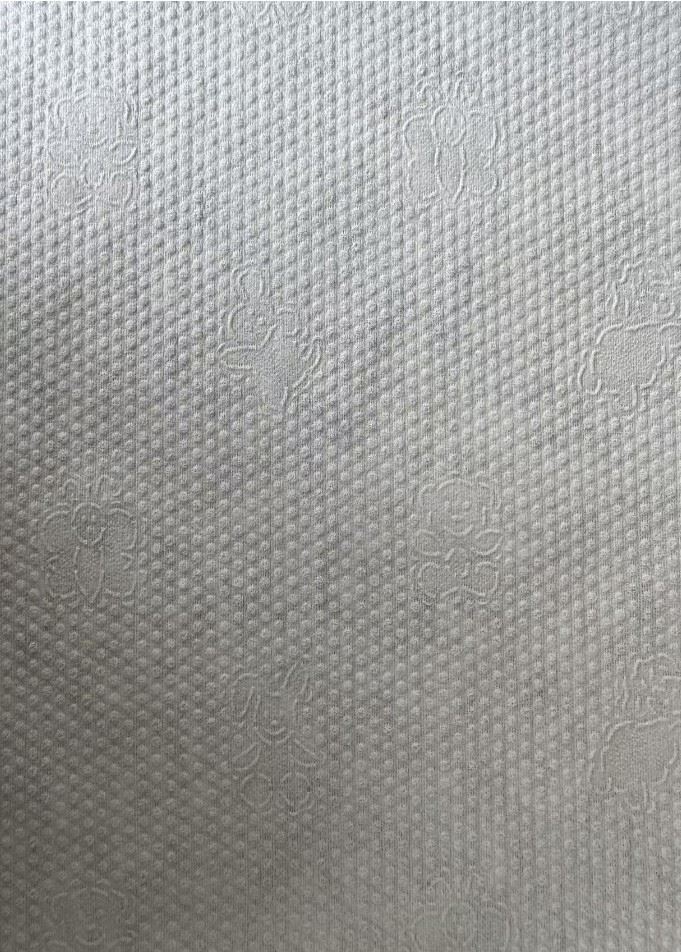
The production of flushable nonwovens involves various techniques, including spunlace technology. Flushable Spunlace Nonwoven Fabric is created by entangling fibers together using high - pressure water jets. This process results in a fabric that is strong enough for its intended use but also has the ability to disintegrate rapidly in water.
Advantages of Flushable Nonwovens in High - Traffic Areas
Hygiene
One of the primary advantages of using flushable nonwovens in high - traffic areas is their contribution to hygiene. In places like public restrooms, airports, and shopping malls, where a large number of people pass through daily, maintaining a clean and sanitary environment is essential. Flushable nonwoven wet wipes can be used for quick and easy cleaning of surfaces, hands, and other areas. Since they can be flushed away immediately after use, there is no need to worry about storing used wipes, which could potentially harbor bacteria and other contaminants.
Convenience
Convenience is another significant benefit. In high - traffic areas, people are often in a hurry and need products that are easy to use and dispose of. Flushable nonwovens eliminate the need for separate waste bins for wipes, reducing the hassle of waste management. For example, in a busy airport restroom, travelers can use Nonwoven Fabric Throwing To Toilet Flushable wipes to clean their hands and then simply flush them away, saving time and effort.
Environmental Considerations
Many flushable nonwovens are made from biodegradable materials, which is an important factor in today's environmentally conscious world. In high - traffic areas, where large amounts of waste are generated, using biodegradable flushable nonwovens can help reduce the environmental impact. These materials break down naturally over time, minimizing the amount of waste that ends up in landfills.
Challenges of Using Flushable Nonwovens in High - Traffic Areas
Plumbing Concerns
Despite their intended design to be flushable, there is a risk of plumbing blockages when using flushable nonwovens in high - traffic areas. If a large number of wipes are flushed at once or if the wipes do not break down as quickly as expected, they can accumulate in the pipes and cause clogs. This is a particular concern in older plumbing systems that may not be as efficient at handling large volumes of waste.

Quality Control
Ensuring the quality of flushable nonwovens is crucial, especially in high - traffic areas. Inferior quality wipes may not disintegrate properly, leading to plumbing issues. As a supplier, we must adhere to strict quality control measures to guarantee that our Flushable Spunlace Fabric products meet the necessary standards for flushing. This includes testing the disintegration rate, strength, and durability of the nonwovens.
Mitigating the Challenges
Education and Awareness
One way to address the plumbing concerns is through education and awareness. In high - traffic areas, signage can be placed near the toilets to inform users about the proper use and disposal of flushable nonwovens. For example, signs can advise users to flush only one wipe at a time and to avoid flushing excessive amounts. Additionally, providing information about the benefits of using flushable nonwovens and the importance of proper disposal can help users make more informed decisions.
Product Innovation
As a supplier, we are constantly investing in research and development to improve the quality of our flushable nonwovens. This includes developing new materials and manufacturing processes that enhance the disintegration rate and reduce the risk of plumbing blockages. For instance, we are exploring the use of more water - soluble fibers and additives that can accelerate the breakdown of the nonwovens in water.
Conclusion
In conclusion, flushable nonwovens have both advantages and challenges when it comes to use in high - traffic areas. Their hygiene benefits, convenience, and environmental friendliness make them an attractive option. However, the potential plumbing issues and the need for strict quality control cannot be ignored. By implementing strategies such as education and awareness campaigns and product innovation, we can overcome these challenges and make flushable nonwovens a viable choice for high - traffic areas.
If you are interested in learning more about our flushable nonwoven products or would like to discuss a potential purchase, please feel free to reach out. We are committed to providing high - quality flushable nonwovens that meet the needs of various industries, including those with high - traffic areas.
References
- ASTM International. (20XX). Standard test methods for evaluating the flushability of consumer products.
- European Disposables and Nonwovens Association (EDANA). (20XX). Guidelines for flushable wipes.